AVI to MP4 for MJPEG clips

Convert a short MJPEG AVI to H.264 MP4, with optional 16-bit PCM audio. AVI support is limited: DivX, Xvid and H.264 AVI need a desktop converter first.

Drop a video here

MJPEG AVI · PCM audio only · up to 60 sec · Up to 2 GB on a computer

This browser can't run the tool

Output: MP4 · H.264 / AAC

H.264 video and AAC audio are copied as they are; other supported codecs are re-encoded. Keeps the main video and audio track.

AVI files with MJPEG video (and optional PCM audio), up to 128 MB and 60 seconds.

Converting video…

Runs on your device. Keep this tab open.

Done on your device

Download

ChatCut opens in a new tab with your request. Add your file there.

  • No media upload
  • No sign-up or watermark
  • MJPEG AVI · 60 sec max

Trusted by 400,000+ creators

Why ChatCut

Why convert AVI to MP4 with ChatCut

  • A defined AVI subset

    Handles standard MJPEG AVI rather than claiming every legacy codec will work.

  • H.264 playback copy

    MJPEG frames are decoded and encoded into an MP4 for review and sharing.

  • PCM audio support

    Uncompressed 16-bit mono or stereo PCM audio is encoded to AAC.

  • Short-clip limit

    A 60-second AVI limit and 128 MB file cap keep memory use bounded.

  • Old footage stays private

    The browser reads the AVI on your device without a media upload.

  • No added watermark

    Download a clean MP4 copy while keeping the original AVI.

How it works

How to convert AVI to MP4

  1. 01

    Choose an AVI

    Pick a supported AVI file from your device. AVI must use MJPEG and fit within 60 seconds and 128 MB.

  2. 02

    Convert to MP4

    Start the local conversion to MP4. Keep this tab open until the file is ready.

  3. 03

    Preview and download

    Check the result, save the converted copy, or restart with another video.

Learn

AVI to MP4: supported footage and conversion details

AVI identifies a container, not one codec

AVI is a container used for many older recordings and camera clips. Its video might be MJPEG, DivX, Xvid or another codec, and the audio can vary too. That variety is why an AVI extension alone cannot establish compatibility. This page reads a narrow subset: standard MJPEG video, optionally paired with uncompressed 16-bit PCM sound. Check the codec information in your source player before expecting a clip from an old camera or archive to work here.

How supported frames become a playback copy

The AVI reader extracts the MJPEG frames, decodes their JPEG images and encodes them as H.264 video. Optional PCM audio is decoded and encoded as AAC. The result is a newly written MP4, not a renamed AVI. This route always re-encodes the supported footage and is not lossless. Video encoding targets 8 Mbps, while audio targets 192 kbps. Keep the original if you may need to make another version or compare fine detail later.

Why audio and timing restrictions matter

Accepted audio has one or two channels, a sample rate from 8 to 96 kHz and 16-bit PCM samples. The reader rejects extra streams, delayed stream starts, missing frames and incomplete PCM data. It also rejects multi-part OpenDML files. These restrictions avoid accepting layouts that this conversion path cannot handle correctly. A clip that plays in a desktop player can still fail these checks, so successful local playback is not a promise that this page supports its structure.

Prepare a short clip and review the result

Use a source no longer than 60 seconds and no larger than 128 MB, with dimensions within the stated resolution limit. The AVI reader also requires a valid frame rate no higher than 120 fps. Odd frame dimensions can receive one pixel of padding for H.264 encoding. After conversion, listen near the beginning and end and check motion in the preview. For DivX, Xvid or unsupported audio, use a desktop converter to produce H.264/AAC MP4 directly.


Use cases

When to convert AVI to MP4

  • Short camera clips

    Convert a supported MJPEG AVI from a camera or recording device.

  • Archive excerpts

    Make a playback copy of a short compatible archive clip.

  • Editing an old take

    Add the resulting MP4 to ChatCut for trimming or captions.

Keep editing

Keep editing after conversion

Add your downloaded file in ChatCut to trim it, add captions or make a vertical cut. Manual editing and export do not use credits; built-in Agent requests do.

New on YouTube Seedream 5.5 Is Now in ChatCut Seedream 5.5 in ChatCut
More from our channel All videos

Skills

Hundreds of skills for any video

100+ Skills. No experience needed. Start in one click.

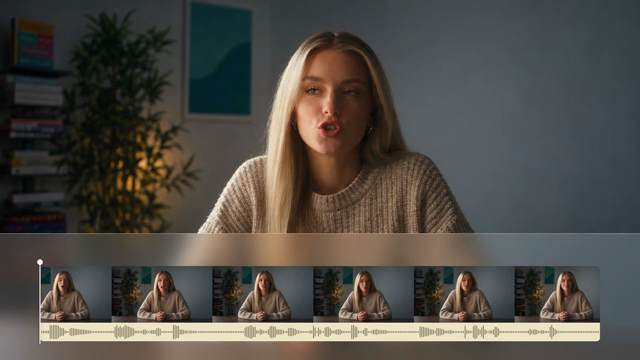
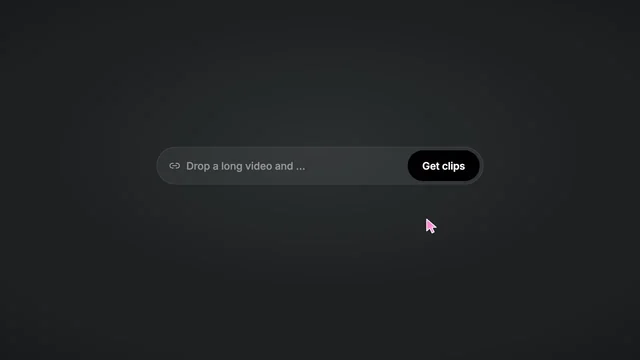
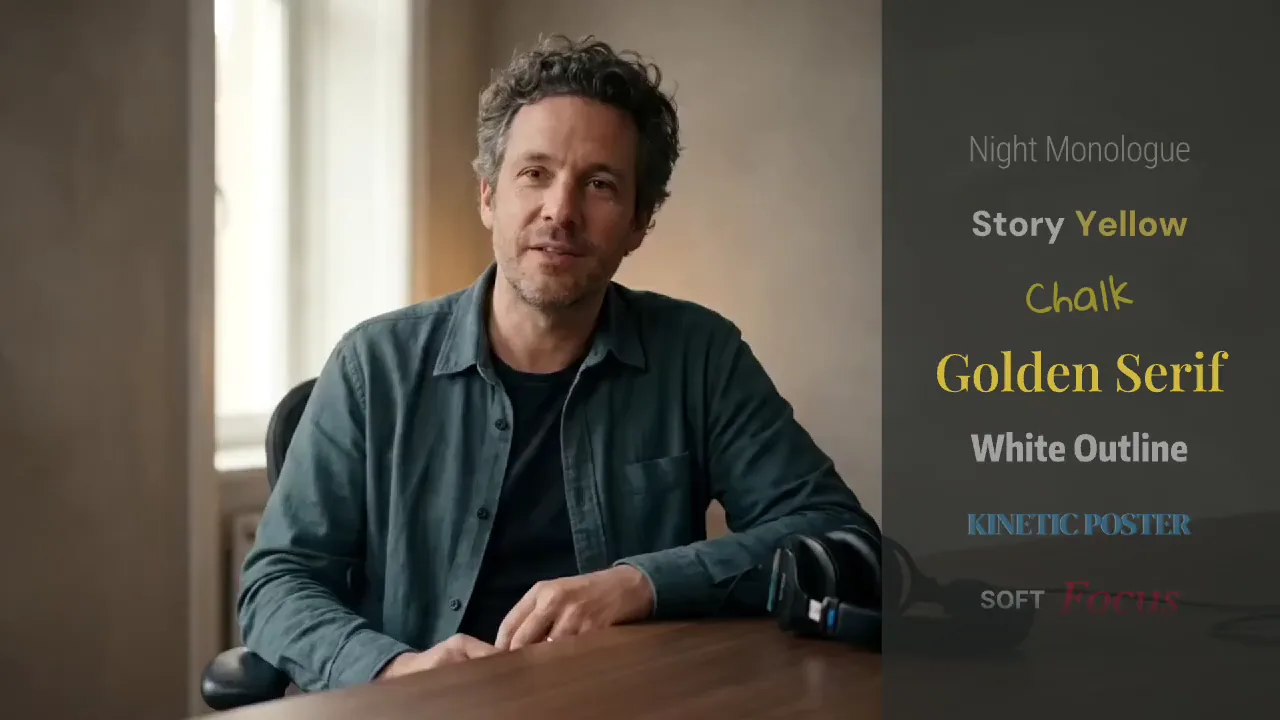
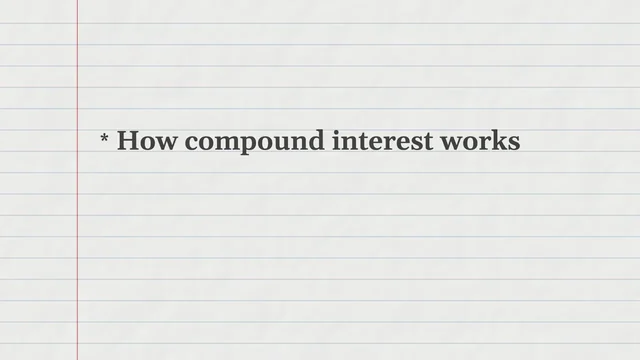
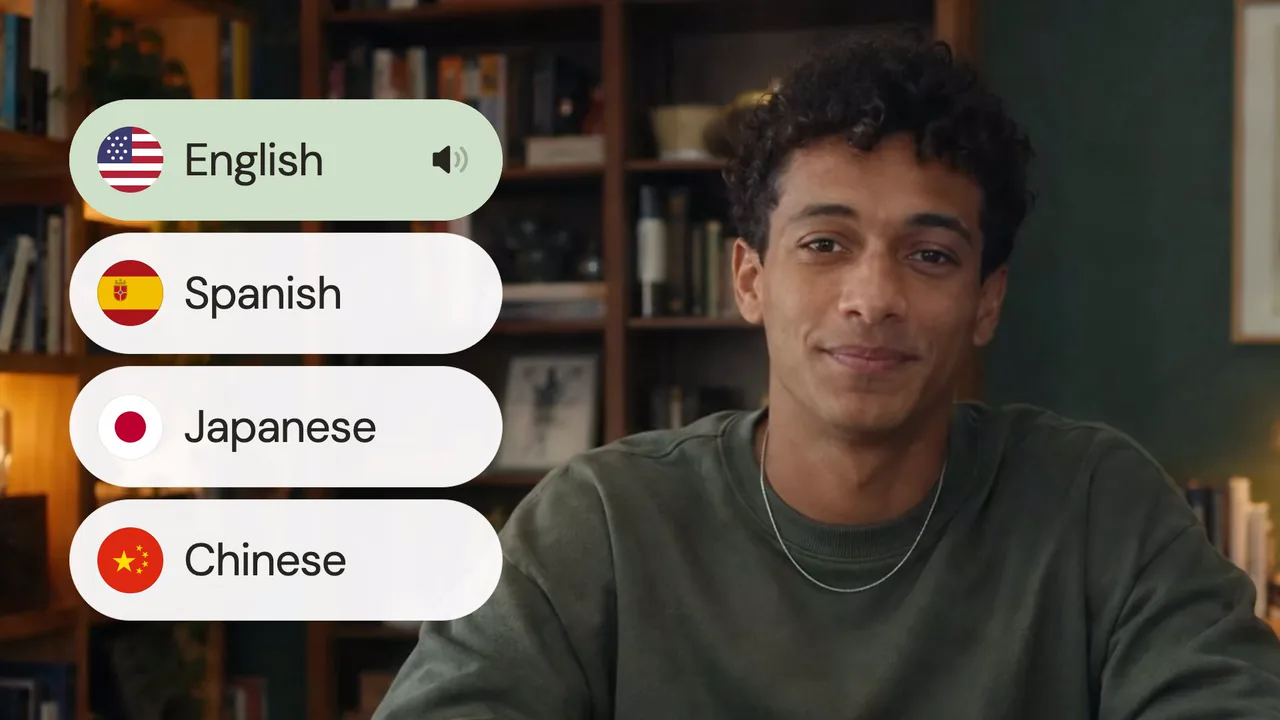
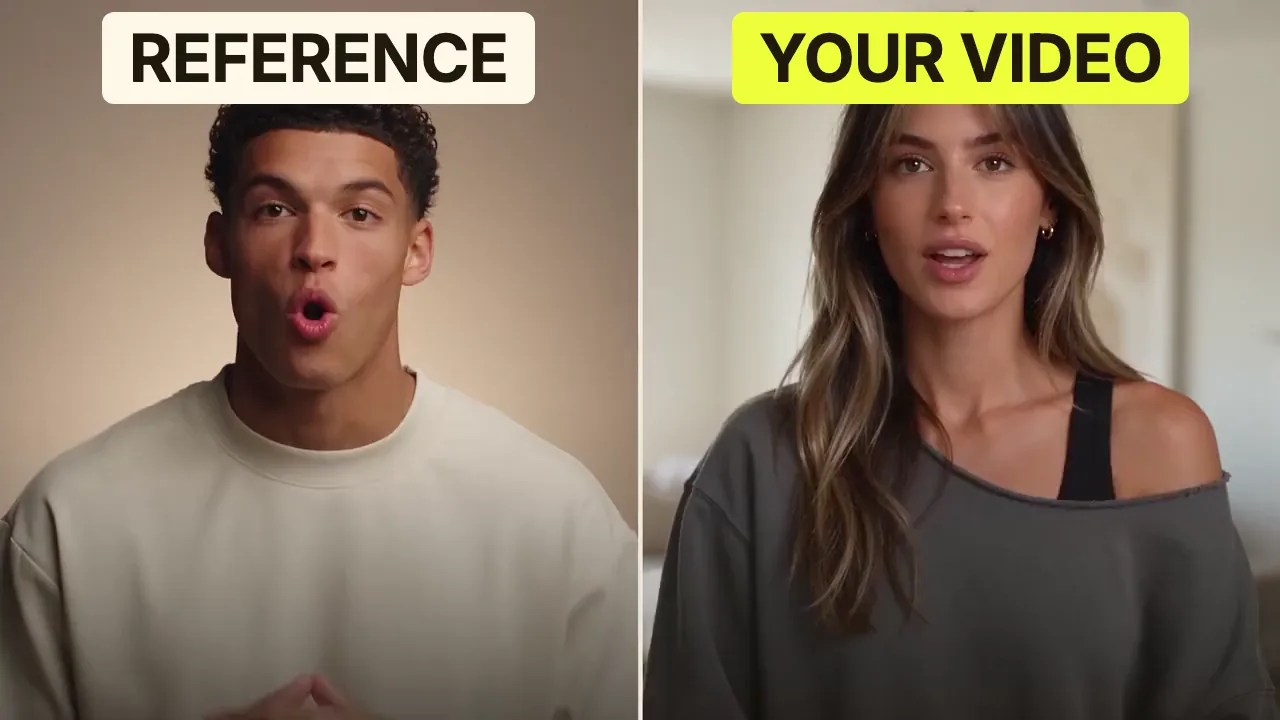
Speech CleanupUpload your talking-head footage. ChatCut automatically cuts out verbal slips, repetition and awkward pauses, keeping your delivery natural and seamless.Long video to shortsPaste a video link or upload a file. ChatCut plans the edits and polishes each clip, turning your long video into multiple short videos ready to publish on their own.Add captionsUpload your talking-head video. ChatCut automatically recognizes the speech, generates captions and applies your selected caption style.Motion Graphics StylesUpload a talking-head video and get motion graphics in the Editorial Explainer style added automatically: notebook chapter pages, grey-paper data charts and yellow highlighter marks, alternating with your on-camera shots like a news explainer. Good for news explainers, current affairs and data stories. If the footage has obvious flubs, repeats or long pauses, it cleans them up first, then packages it. You get a packaged, editable timeline ready to tweak and export. Works best with clear audio and one presenter.Editorial ExplainerVideo TranslationUpload a video and choose a target language. ChatCut automatically translates and dubs the speech, syncs lip movements, preserves the original voice and adds captions as needed.Talking-Head Edit RecreationEdit your talking-head footage with the cuts and styling of a reference video. Share a talking-head video you like (upload it or paste a link), then add your own recording. AI breaks down the reference's pacing, captions and on-screen text, motion graphics, B-roll, framing and sound, and applies them to what you say. You get a finished video and an editable project. It uses your own footage throughout, with no face swaps or generated shots.

FAQ

AVI to MP4 FAQ

Which AVI codecs does this converter support?

This page supports standard MJPEG video with optional uncompressed 16-bit PCM audio. DivX, Xvid, H.264 AVI, MP3/AC3 audio and multi-part OpenDML AVI are not supported.

Why does an AVI play on my computer but fail here?

Desktop players often include decoders that browsers do not have. This page also uses a limited AVI reader, so a file playing locally does not guarantee conversion here.

Can I convert a DivX or Xvid AVI?

Not with this browser tool. Use a desktop converter to make H.264/AAC MP4 first; changing the filename will not convert the codec.

Is AVI to MP4 lossless?

This supported MJPEG path re-encodes frames as H.264 and PCM audio as AAC. It is not lossless, so keep the original AVI.

What are the AVI duration and audio limits?

Up to 60 seconds and 128 MB, at most 4096 × 2160 pixels. Audio must be 16-bit PCM with one or two channels at 8–96 kHz, and streams must start together.

Is this AVI to MP4 tool free?

Yes. Conversion on this page is free, needs no sign-up and adds no watermark. Continuing in ChatCut is separate: built-in Agent messages use credits; manual editing and export do not.

Is my video uploaded during conversion?

No. The conversion engine reads and writes media inside your browser. If you choose to continue in ChatCut, add the downloaded file there yourself.

What are the file and browser limits?

Use a recent browser with WebCodecs. Files are limited to 128 MB, 5 minutes and 4096 × 2160 pixels; AVI is limited to 60 seconds, and codec support varies by browser.