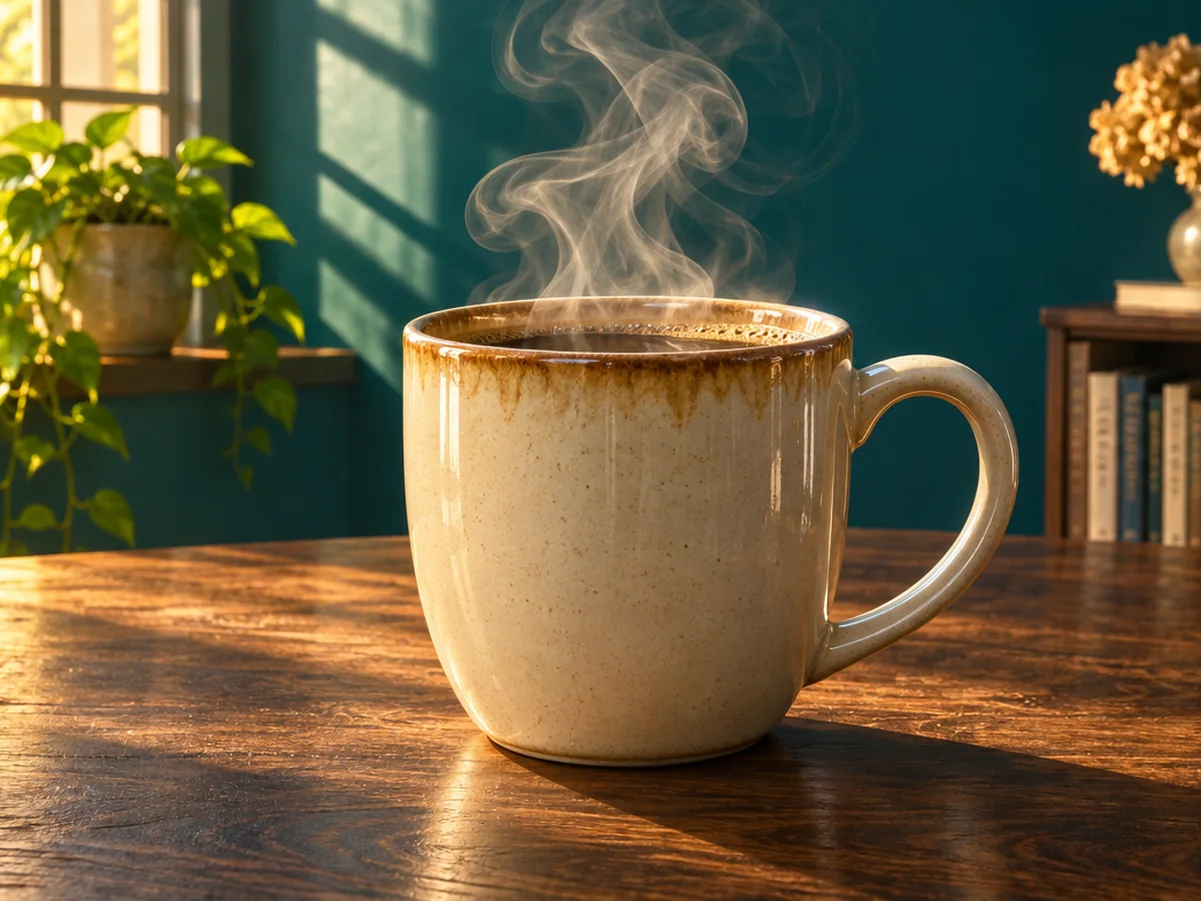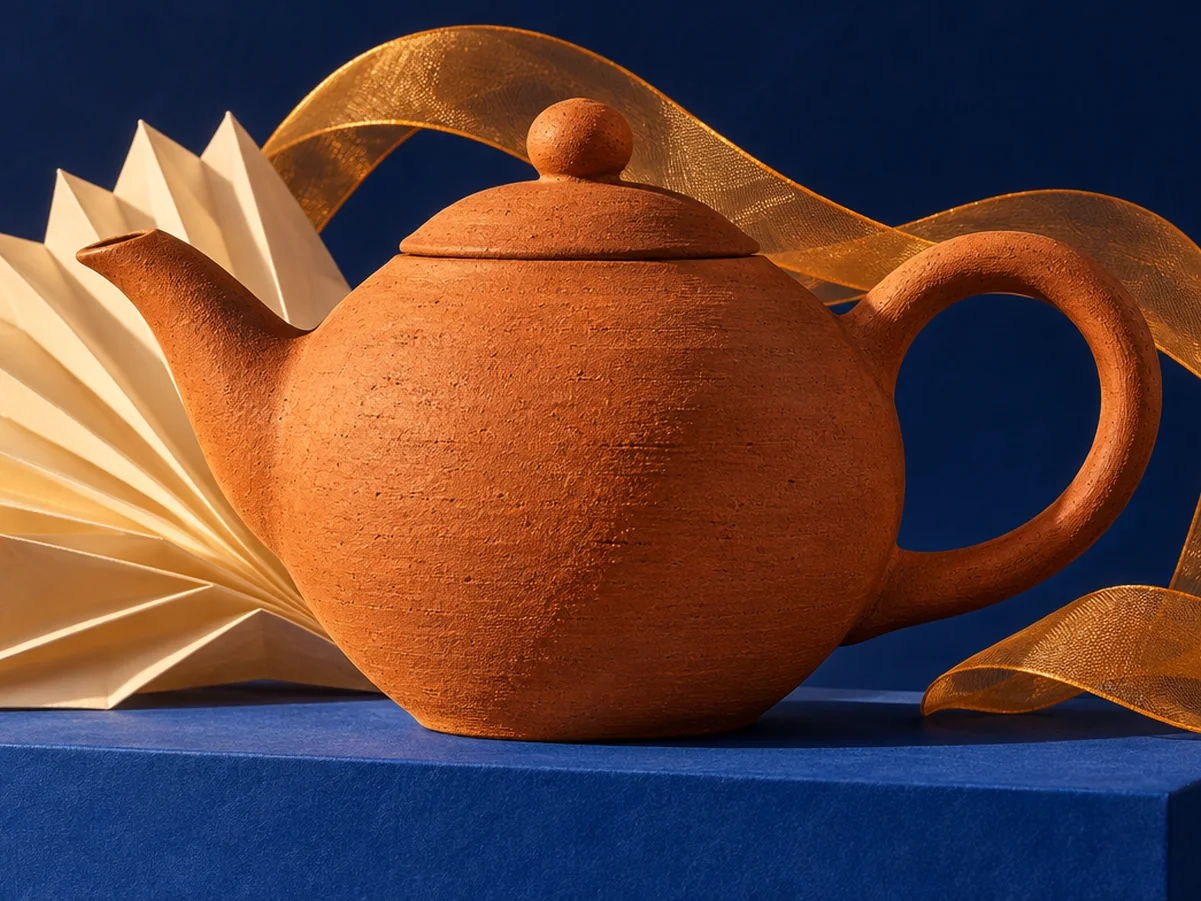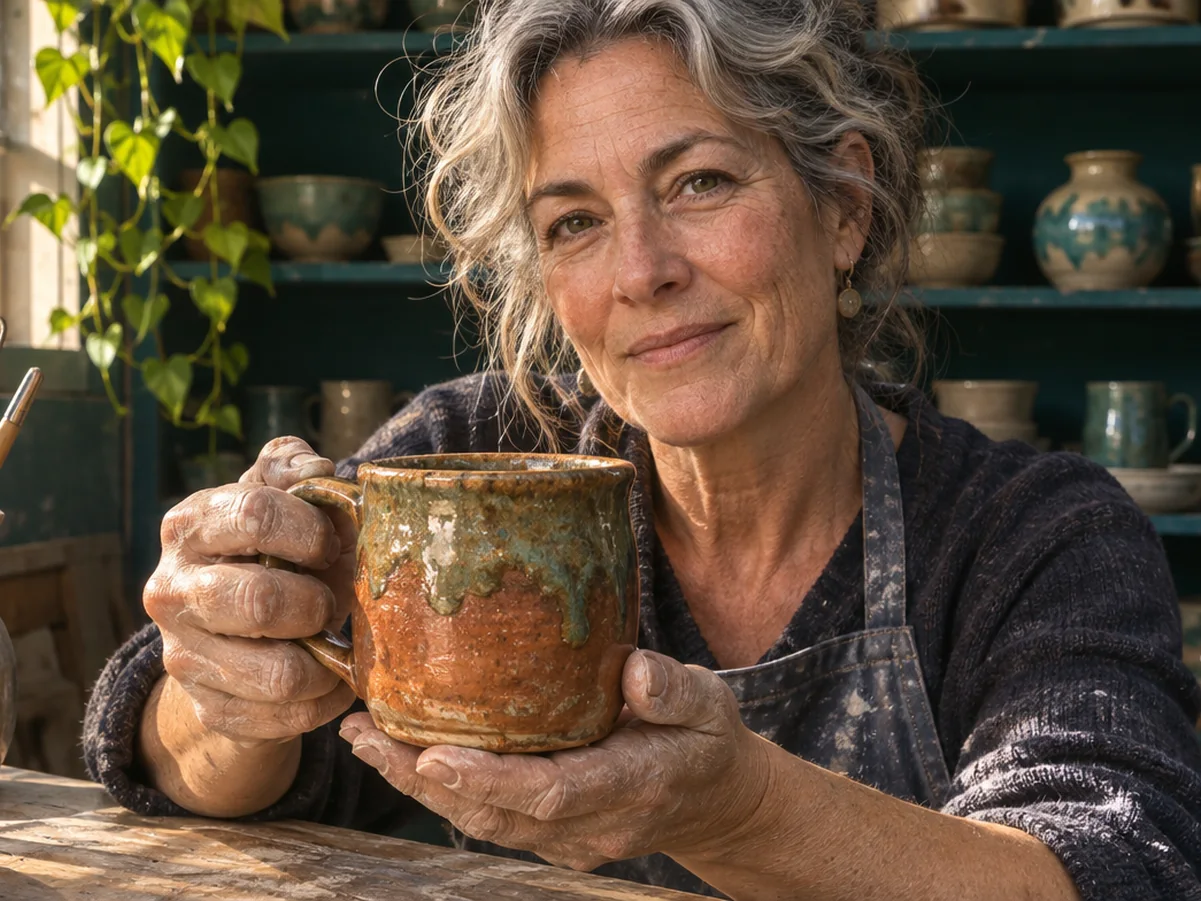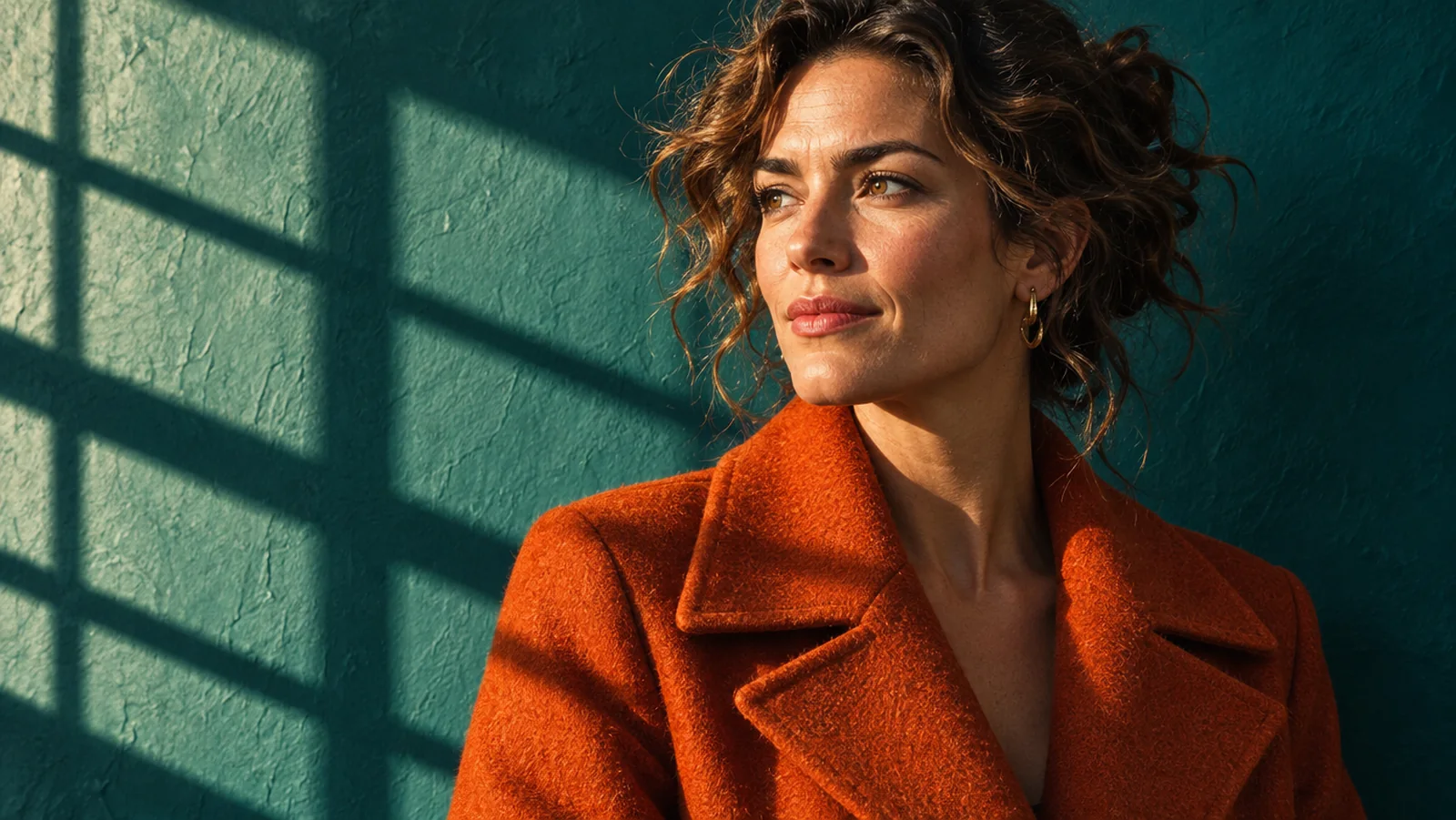
The best AI image generator depends on what you need to finish. For images that become video, ChatCut brings Seedream 5.5, GPT Image 2.6, Nano Banana 2.1 and Nano Banana Pro into one editor, with generated images ready for the timeline. For concept art, text-led graphics and finished social layouts, our workflow picks are Midjourney, Ideogram and Canva respectively.
Key Takeaways
- For photo briefs, shortlist Seedream 5.5 and GPT Image 2.6, then inspect skin, hands, lighting and material detail in the same scene.
- For posters and structured graphics, consider GPT Image 2.6 Sunburst, Nano Banana Pro and Ideogram. Read every requested word before approving an image.
- For everyday generation and edits, Nano Banana 2.1 is Google’s price-performance option. Nano Banana Pro is a separate model for demanding visual work.
- For video production, ChatCut lets you compare several leading models, generate the still and continue with image-to-video, captions, voiceover and music in the same project.
- Comparison scope — the four prompts below include reviewed GPT Image 2.6 Sunburst, Nano Banana 2.1 and Nano Banana Pro outputs. The images in the Seedream slots are GPT Image 2.6 prompt examples; Seedream 5.5 result to be added. The six additional tools are assessed from public documentation and prices.
Best AI image generator picks by use case
These are use-case recommendations. The table combines individual models with the applications where people use image generation. All prices were checked on November 12, 2026, in USD before applicable taxes. Subscription amounts use monthly billing unless an annual charge is explicitly shown. Each priced row links to its source.
| Pick | Choose it for | Access and price reference | Evidence for this article |
|---|---|---|---|
| Seedream 5.5 | Realistic-photo briefs and iterative image work | Available in ChatCut. Select the model and review the credit estimate for your chosen settings before generating. | Official capabilities; GPT Image 2.6 examples shown, Seedream 5.5 result to be added |
| GPT Image 2.6 Sunburst | Text-heavy layouts, product assets and careful revisions | ChatCut Pro and credits. Current estimate depends on settings. Model and access details | Repository parameters and four visually reviewed outputs |
| Nano Banana 2.1 | Everyday generation and conversational image editing | ChatCut Pro and credits, with an estimate before submission. Plan details | Repository parameters, Google documentation and four visually reviewed outputs |
| Nano Banana Pro | Detailed compositions and reference-led visual work | ChatCut Pro and credits. Select Nano Banana Pro explicitly. Plan details | Repository model mapping, Google documentation and four visually reviewed outputs |
| Midjourney | Art direction, concept art and style exploration | Basic $10/month, including 200 Fast GPU minutes. Plans | Public documentation, no generation test |
| Ideogram | Posters, lettering and graphics needing text revisions | Plus $20/month, or $180/year, with 2,400 priority credits/month. Pricing | Public documentation, no generation test |
| Adobe Firefly | Image work alongside Adobe editing tools | Free daily allowance. Standard $9.99/month with 2,000 monthly credits. US plans | Public documentation, no generation test |
| Leonardo.Ai | Model exploration, reference-guided assets and custom styles | Free 150 tokens/day. Essential $12/month, 8,500 tokens/month. Pricing | Public documentation, no generation test |
| Canva | Images used immediately in slides and social layouts | Limited Free AI access. Pro $144/year for one person. Pricing | Public documentation, no generation test |
| Recraft | Editable vectors and coordinated design assets | Limited Free Studio access for personal use. V4.1 Vector API $0.08/image, billed separately from Studio. API rates | Public documentation, no generation test |
For the four ChatCut models, the entry paid plan is $25/month with 100 monthly credits, or $252 billed annually. Image generation requires Pro and uses credits. Each model has its own charge, so budget from the editor’s estimate for the selected settings. ChatCut pricing, product facts.
Seedream 5.5 for realistic-photo briefs and continued editing
Seedream 5.5 is available in ChatCut. ByteDance introduced it on November 9, 2026, highlighting natural lighting, material detail, skin texture, repeated editing and native alpha-channel generation. Those capabilities make it worth shortlisting for portrait and product briefs. Our portrait and glass-bottle prompts below give you specific details to inspect. ByteDance announcement.
Pick Seedream 5.5 in the model menu, then review the available size and aspect-ratio options and the credit estimate before generating. For transparent assets, check the available background controls in that workflow before submitting.
Read the Seedream 5.5 introduction for the release and starting workflow, the Seedream family guide for version context, and the 5.5 versus 5.0 Pro comparison when updating an existing workflow.
GPT Image 2.6 Sunburst for layouts and product assets
Choose Sunburst when the brief depends on careful placement, packaging details or text. ChatCut also offers Flare for everyday drafts. This comparison fixes Sunburst across every prompt, so the GPT column always represents the same variant. ChatCut documents image generation, reference-based editing and transparent-image workflows on its model page. GPT Image 2.6 in ChatCut.
Start with the poster prompt if your deliverable has a headline, event information and an illustration sharing the frame. The GPT image prompt collection supplies more briefs. The older GPT Image 2 versus Nano Banana Pro article covers the earlier GPT version, so its scores apply to that version.
Nano Banana 2.1 for everyday generation and edits
Google positions Nano Banana 2.1 around a balance of price and performance, with image generation and multi-turn editing. It is a useful starting point for a varied production queue. In ChatCut, name the version explicitly and review the current estimate, especially when changing the planning complexity. Google model documentation.
The controlled comparison below uses high complexity throughout. For a real drafting session, choose the complexity appropriate to the brief and check the resulting quote. For reusable subject and lighting structures, see our Nano Banana prompts.
Nano Banana Pro for detailed visual composition
Nano Banana Pro is Google’s Gemini 3 Pro Image model. Google emphasizes text rendering, composition and combining visual references. Those documented capabilities make it a candidate for brand scenes, diagrams and complex layouts. ChatCut’s tool identifier is nano-banana. Google’s Nano Banana Pro introduction.
This article’s image set covers text-to-image generation. For reference-heavy work, try a separate brief using your actual product or character reference and inspect identity and geometry after each revision. Our Seedream, Nano Banana and GPT Image comparison covers the model-family decision in more depth.
Midjourney for concept art and visual direction
Midjourney is our workflow pick when you want to explore a campaign look, illustration style or mood. Its Style Reference controls transfer qualities such as palette, medium and lighting from a reference into a new scene. That gives art directors a concrete way to develop a visual direction. This entry uses public documentation and pricing. Style Reference documentation.
Basic starts at $10/month with 200 Fast GPU minutes. Image counts depend on the work submitted. Private Stealth Mode is available on Pro and Mega, so check the plan if privacy affects your project. Midjourney plans.
Ideogram for posters and text you expect to revise
Ideogram deserves a place on a poster shortlist because its workflow includes generation and editable text layers. You can detect lettering, adjust words and refine typography after the image exists. That is relevant when event details or campaign copy may change. This entry uses public documentation and pricing. Ideogram text layers.
Plus costs $20/month, with 2,400 priority credits/month and private generation. Annual billing is $180 upfront. Judge a typography tool by the complete deliverable, including spelling, line breaks and the ease of a late copy change. Ideogram pricing.
Adobe Firefly for Adobe-based image work
Firefly fits teams that already edit images with Adobe tools and want generation, local revisions and compositing close together. Its plans include image-editing workflows and access to Adobe and partner models. Check the actual selected model when comparing outputs. This entry uses public documentation and pricing. Firefly plans and workflows.
The US Standard plan is $9.99/month with 2,000 monthly credits. Free accounts receive limited daily generations. Adobe also displays introductory offers on higher plans, so the table uses Standard’s listed rate. US plan details.
Leonardo.Ai for reference-guided assets and model exploration
Leonardo.Ai suits creators who want to explore models, presets and custom visual assets in a dedicated workspace. Its Phoenix documentation describes separate style, content and character guidance, which helps make each reference’s role explicit. This entry uses public documentation and pricing. Phoenix image guidance.
Free accounts get 150 tokens/day, public creations and Auto model selection. Essential costs $12/month with 8,500 monthly tokens, private creations and broader model access. Token consumption varies with the generation settings, so use the quote for the model you actually select. Leonardo pricing.
Canva for images inside a finished layout
Canva is our workflow pick when the image belongs immediately in a presentation, flyer or social template. You can generate, adjust framing, add editable text and finish the design in the same workspace. This entry uses public documentation and pricing. Canva image generation.
The checked pricing page shows Pro at $144/year for one person and Free with limited AI access. AI consumption varies by tool and task. Compare the annual commitment and included allowance against what you already use Canva for. Canva pricing.
Recraft for editable vector assets
Recraft belongs on the shortlist when a logo, icon or illustration needs editable vector paths. Its V4.1 Vector models provide vector output that designers can reshape and recolor. This entry uses public documentation and pricing. Recraft V4.1 documentation.
The documented V4.1 Vector API rate is $0.08/image, with separate API billing. Free Studio images are public and licensed for personal use, while paid Studio plans grant commercial rights. Choose the billing route and usage rights appropriate to the asset. Vector API rates, Studio plans and rights.
How to compare the best AI image generator for your work
Start with a real deliverable and give each candidate the same brief. A portrait needs believable anatomy and skin. A product still needs coherent materials and geometry. A poster needs exact words and a readable hierarchy. A video first frame needs clear staging and enough room for the motion you plan.
The comparison setup
The table records the planned production protocol for the four prompts. The GPT Image 2.6 Sunburst, Nano Banana 2.1 and Nano Banana Pro outputs below have been visually reviewed. The four Seedream slots currently show examples generated with GPT Image 2.6 using the same prompts. They are excluded from Seedream performance judgments: Seedream 5.5 result to be added. Recommendations for the six external tools reflect documented workflows and capabilities.
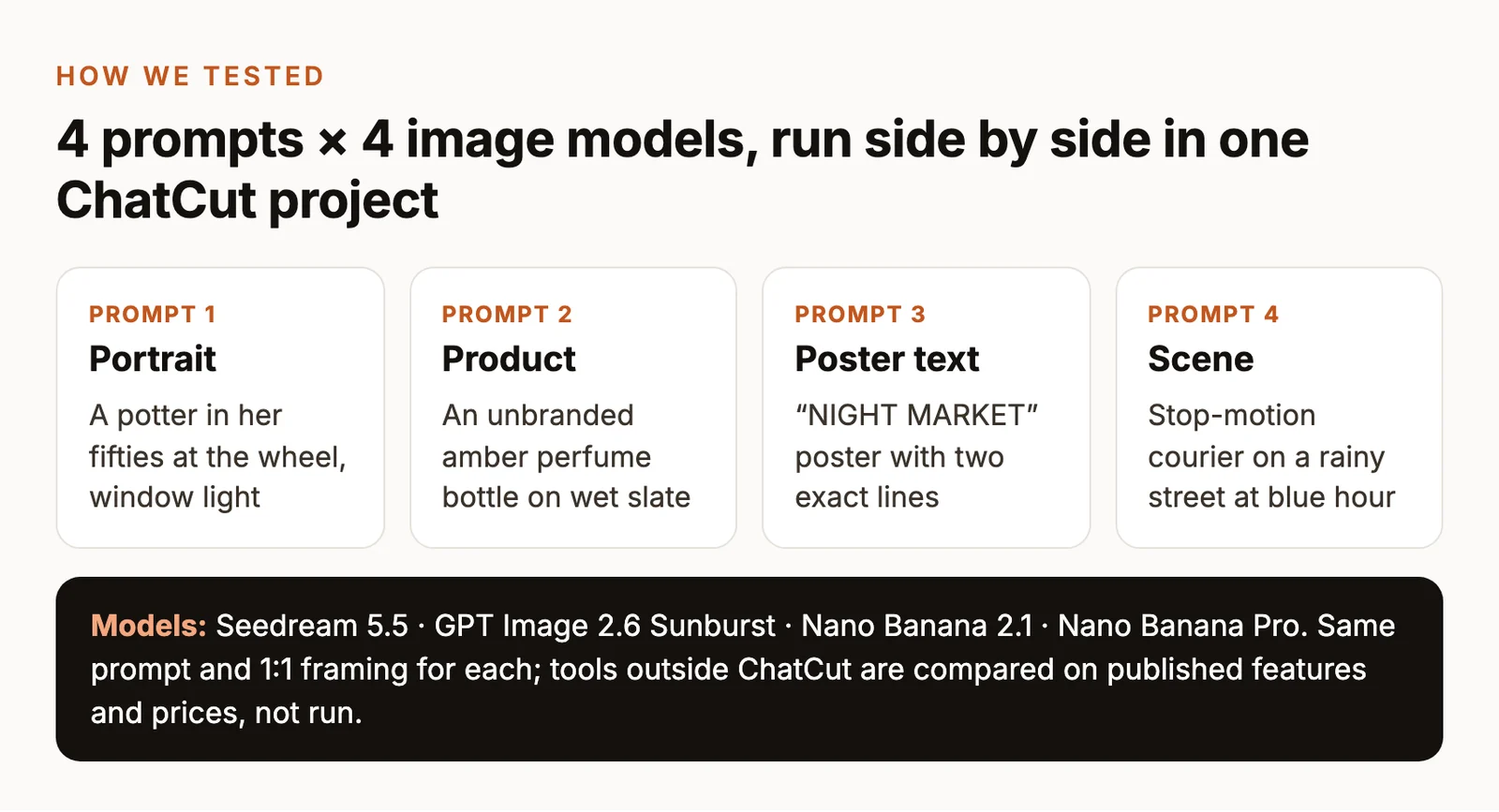
| Control | Fixed comparison protocol |
|---|---|
| Models | Planned lineup: Seedream 5.5, GPT Image 2.6 Sunburst, Nano Banana 2.1 and Nano Banana Pro in ChatCut. Reviewed outputs: GPT and the two Nano Banana models; Seedream slots show GPT Image 2.6 examples |
| Prompts | P1–P4 below, copied verbatim into every model |
| Output target | 1K, square 1:1, target 1024 × 1024 pixels |
| Attempts | One output per prompt per model, retaining the first completed image |
| Input | Text only, with no reference images |
| Background intent | A complete scene with its background, recorded as auto in the image manifest |
| GPT-specific controls | Sunburst, high quality, high complexity, PNG output, background auto |
| Nano Banana 2.1 controls | High complexity. Use the model’s native background and output defaults |
| Nano Banana Pro controls | Native model defaults, with explicit 1K size and 1:1 ratio |
| Seedream 5.5 controls | Select the model and review the available size, ratio, background controls and credit estimate before generating; Seedream 5.5 result to be added |
| Finishing | Preserve original output, with no retouching, generative upscale or selective rerolls |
The prompts and square framing are shared, but the displayed files are not pixel-matched: GPT outputs and the GPT-generated examples in the Seedream slots measure 1056 × 1056 pixels, while both Nano Banana models measure 1024 × 1024 pixels. Captions disclose those dimensions. The controls above describe the planned protocol, rather than verified Seedream settings. A single output shows how that attempt handled the brief; repeated runs would be needed to estimate reliability.
The cover is a separate widescreen generation of P2 and sits outside the comparison. The comparison’s figure captions identify the model, prompt and planned settings. Original outputs should be retained when preparing the WebP display copies.
Four prompts for a best AI image generator comparison
P1 — Which is the most realistic AI image generator for portraits?
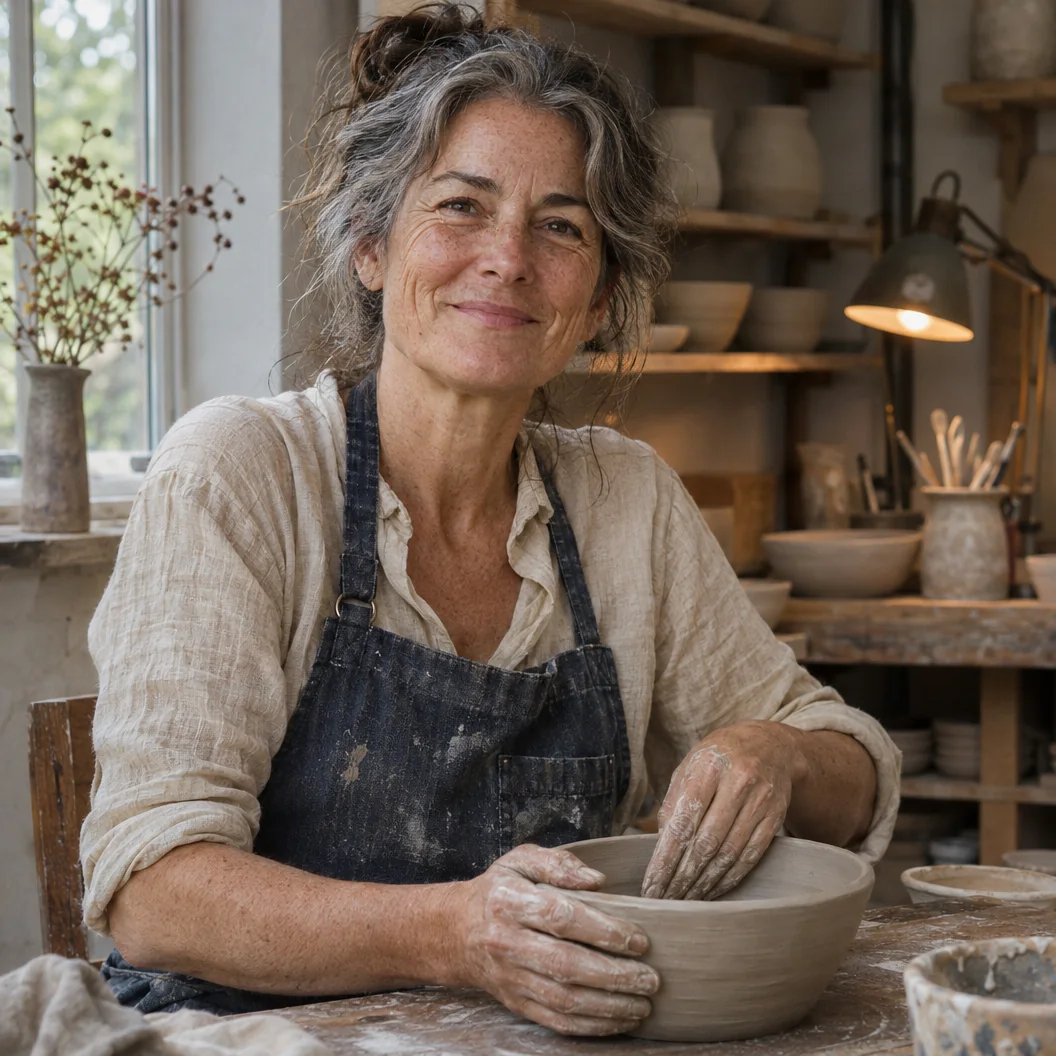
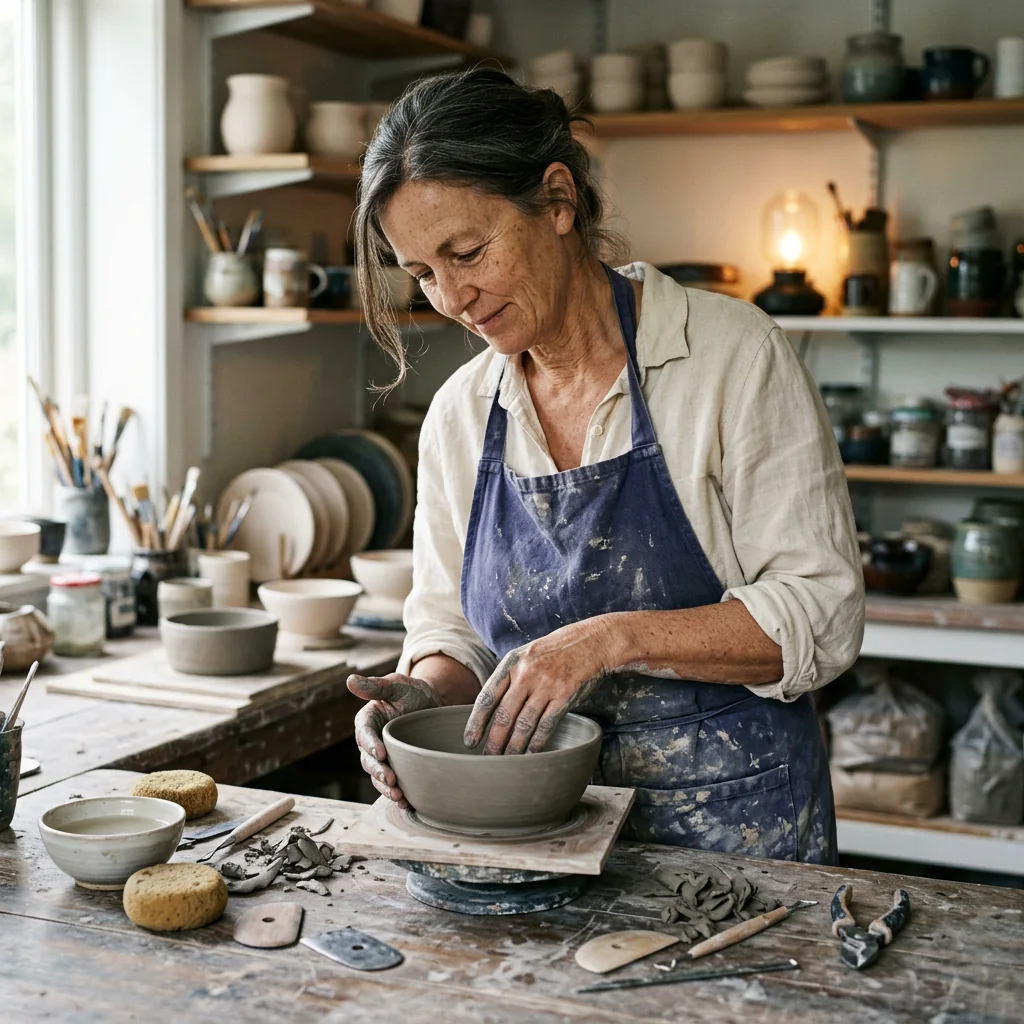
Use this scene to inspect the relationship between the face, hands, clay and light. Look at fingertip contact with the bowl, skin texture and whether shadows share the same direction. The evaluation should name visible details in these particular outputs.
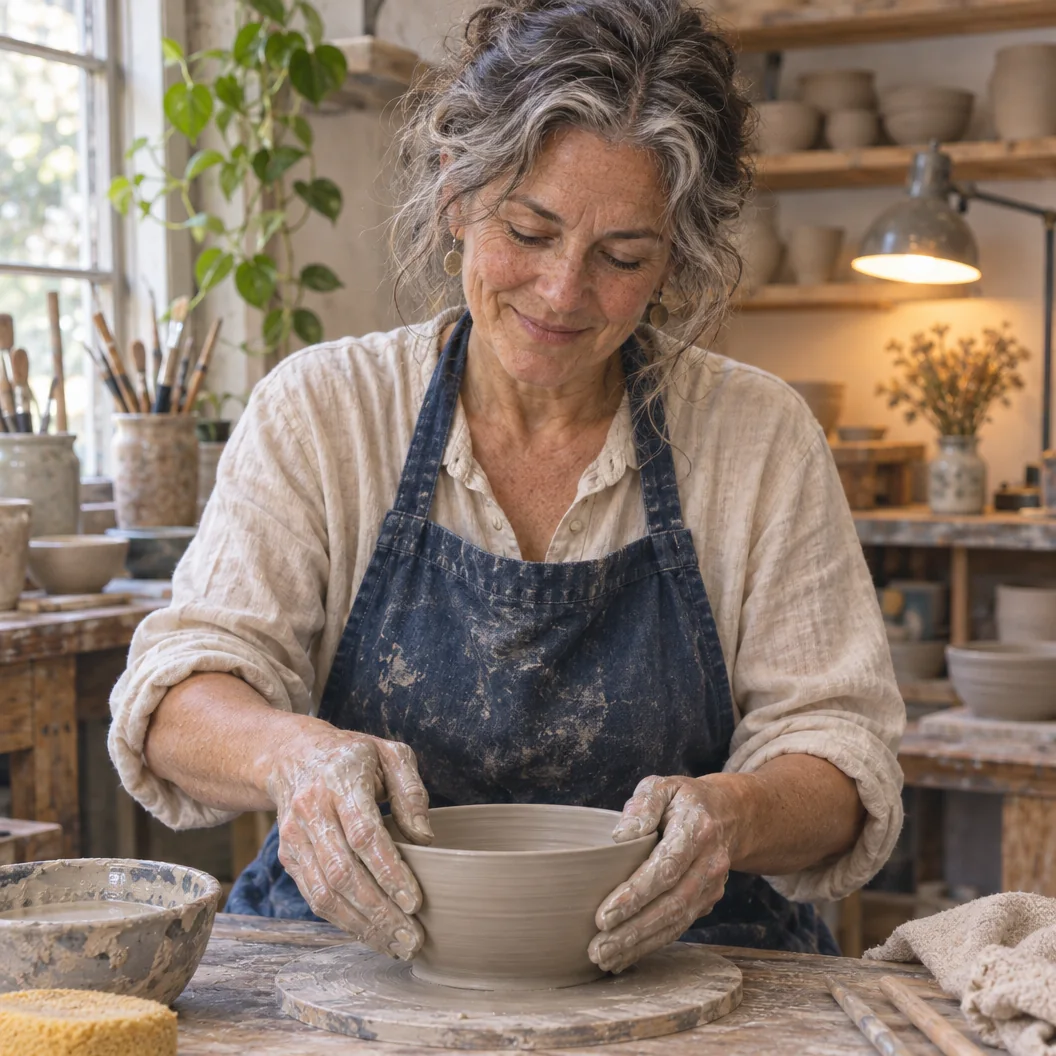
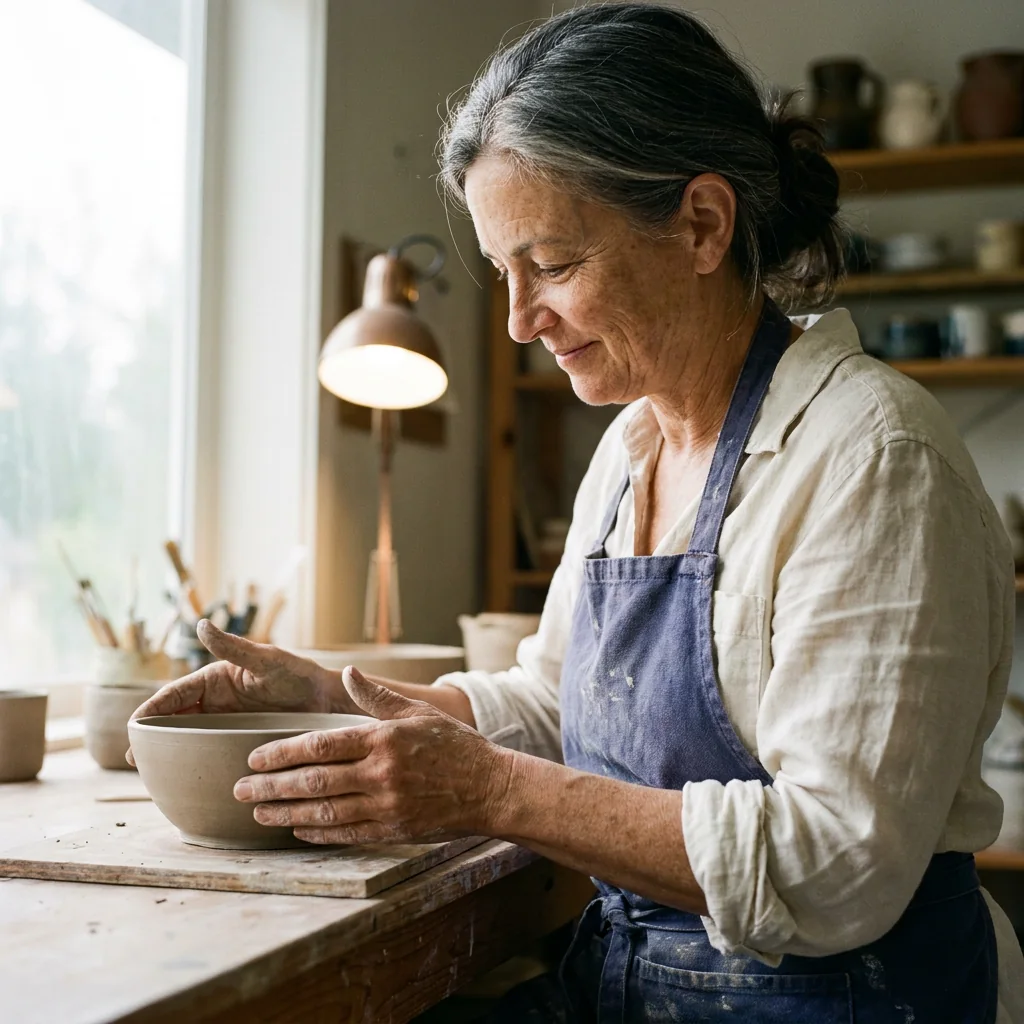
- Seedream 5.5 slot (GPT Image 2.6 example): In this GPT Image 2.6 example, both clay-coated hands cup the bowl beneath a left-side window, with a warm lamp visible behind the potter; Seedream 5.5 result to be added.
- GPT Image 2.6 Sunburst: GPT Image 2.6 Sunburst shows freckles, smile lines and distinct clay-coated fingers touching the bowl inside and out, although the potter looks toward the camera rather than down at her work.
- Nano Banana 2.1: Nano Banana 2.1 shows the potter looking down, with one hand inside the bowl and the other supporting its outer wall, plus clay scraps and tools spread across the foreground.
- Nano Banana Pro: Nano Banana Pro uses a side-on view with both hands around the bowl, gray streaks in the tied-back hair and left-window light, although the fingers show less clay coating than in the GPT image.
P2 — Product photography and believable materials
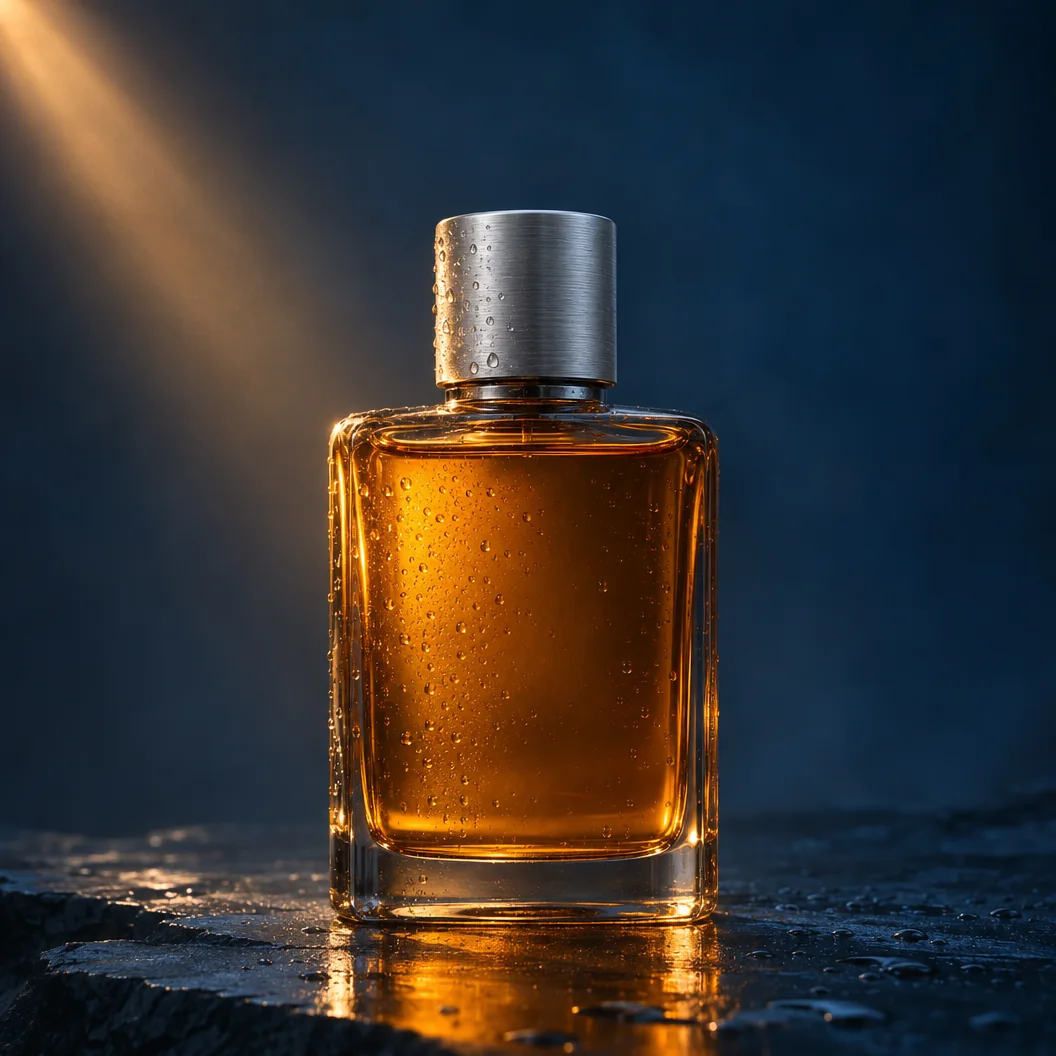
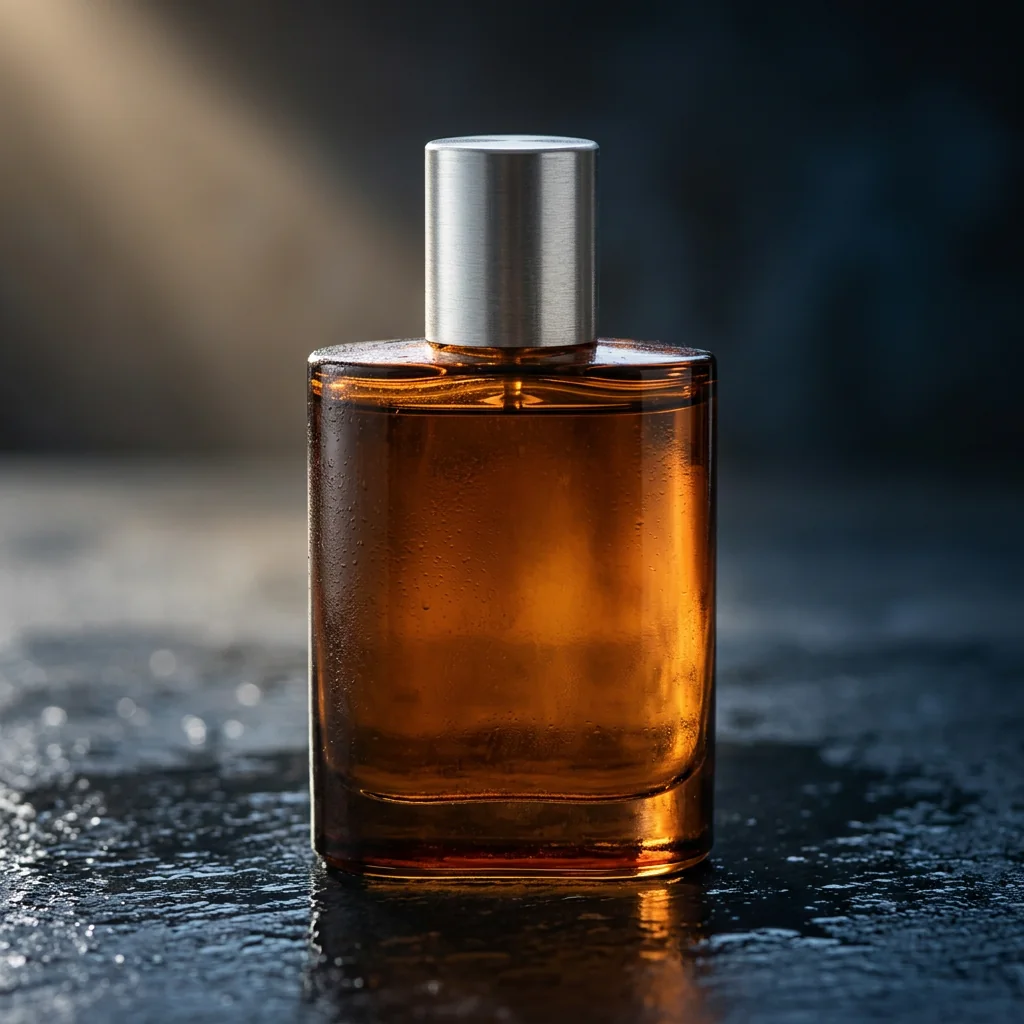
Glass gives you several concrete checks. Follow the cap’s outline, the refraction through the liquid, the bottle’s contact with the slate and the reflected light. This brief uses an invented, unbranded product. Reference-based preservation needs its own test.
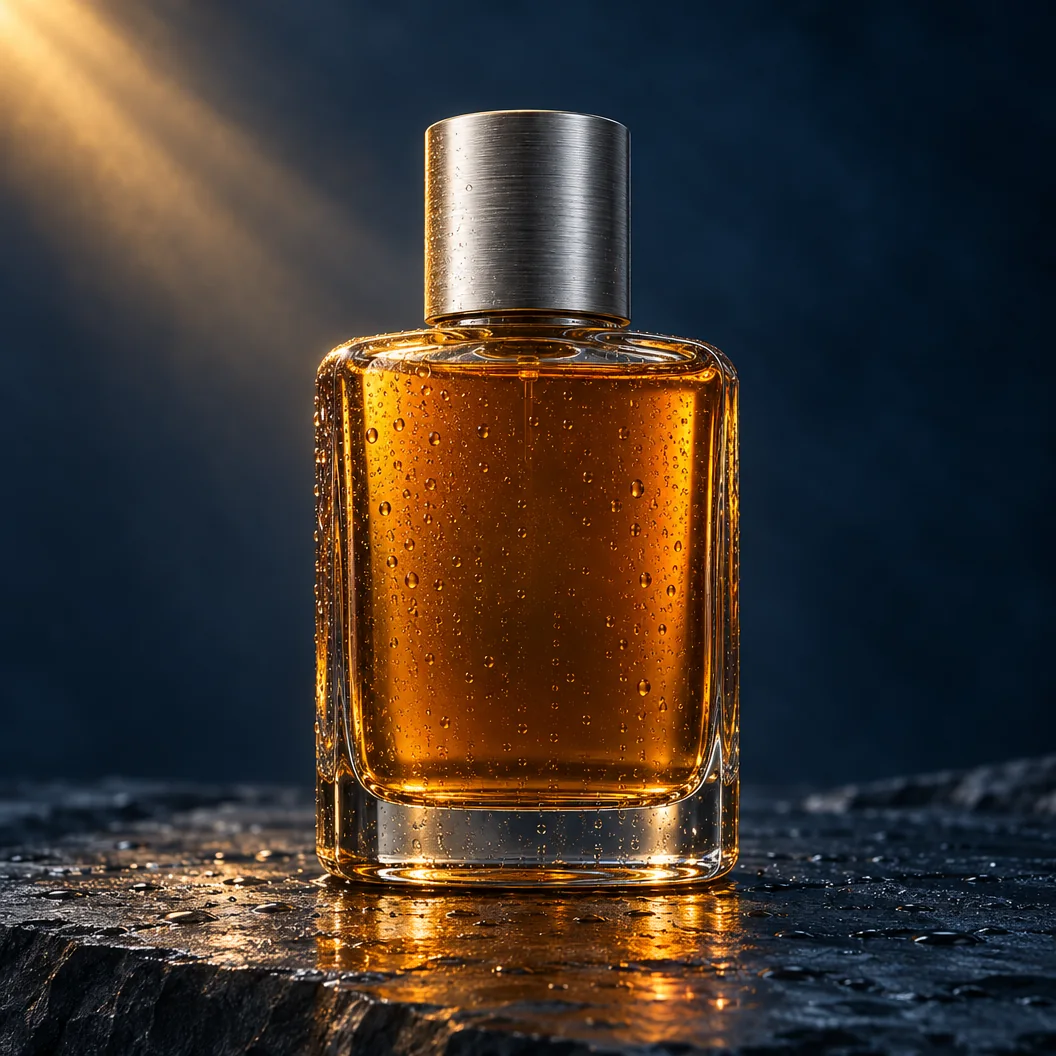
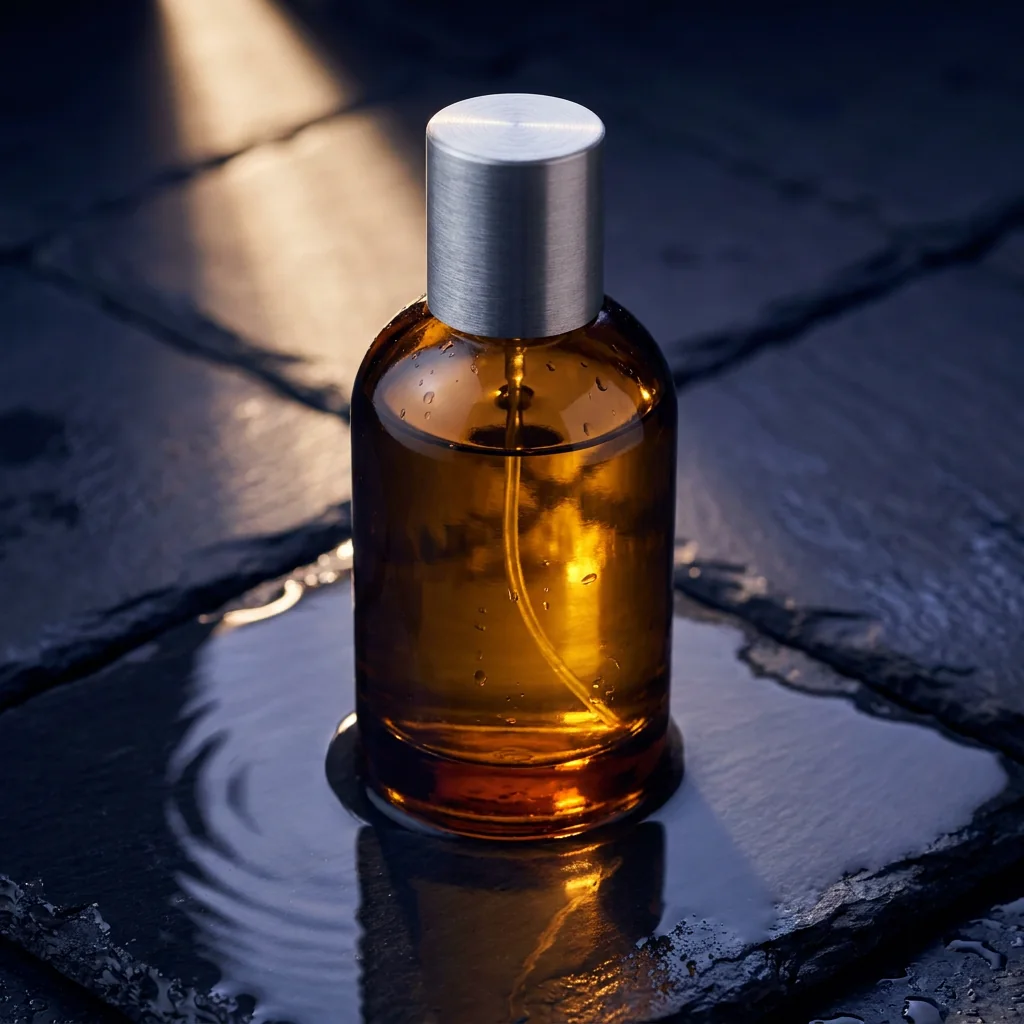
- Seedream 5.5 slot (GPT Image 2.6 example): This GPT Image 2.6 example shows a rounded rectangular amber bottle with fine droplets, horizontal cap grain and a warm reflection on wet slate; Seedream 5.5 result to be added.
- GPT Image 2.6 Sunburst: GPT Image 2.6 Sunburst keeps the full bottle silhouette visible, with a brushed cylindrical cap, dense droplets on the front glass and an amber reflection directly beneath the thick base.
- Nano Banana 2.1: Nano Banana 2.1 shows a broad, rounded rectangular bottle with a level liquid line, a vertical highlight on the metal cap and small droplets visible against the darker glass.
- Nano Banana Pro: Nano Banana Pro chooses a cylindrical bottle with a visible internal tube and a broad reflection on slate, but its higher viewpoint reveals the cap top rather than following the requested low camera angle.
P3 — Exact text and a usable poster layout
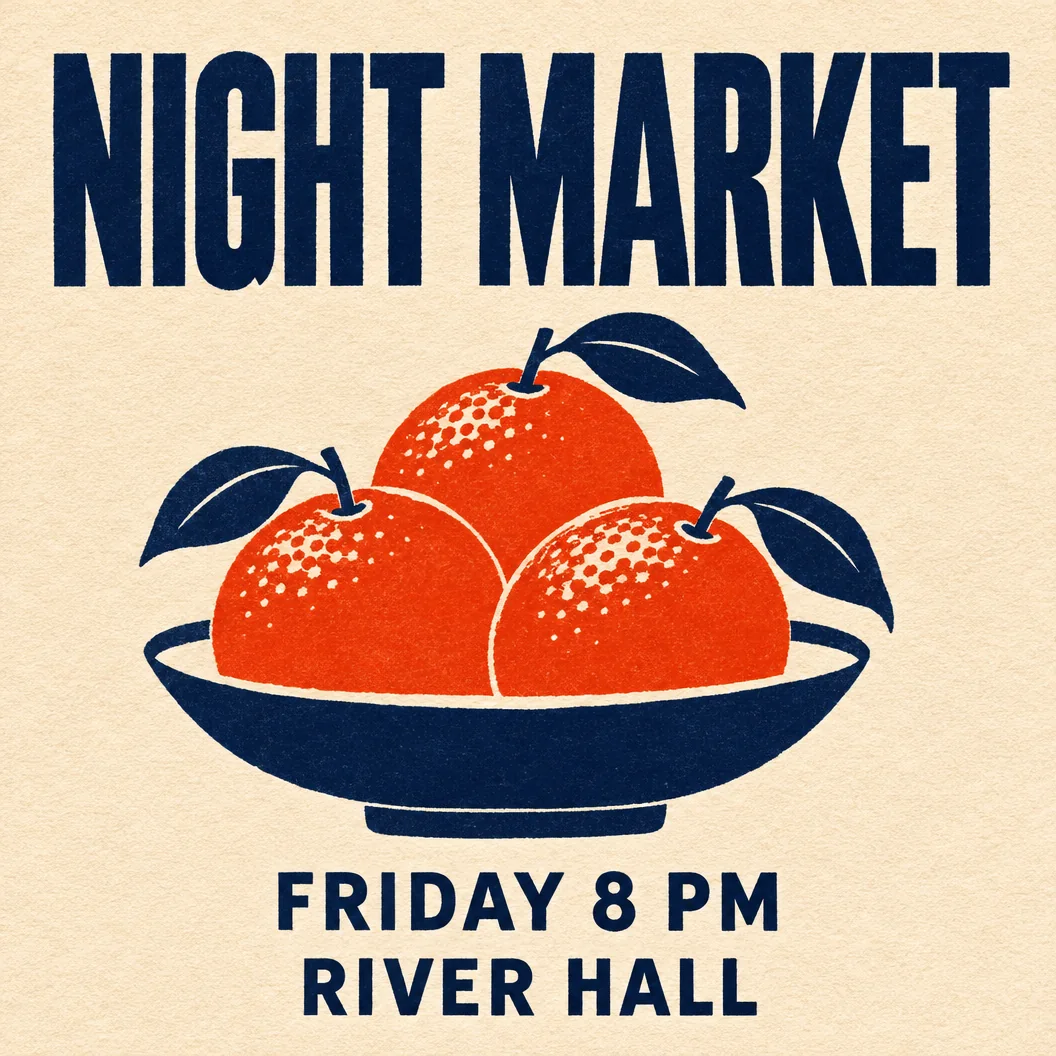
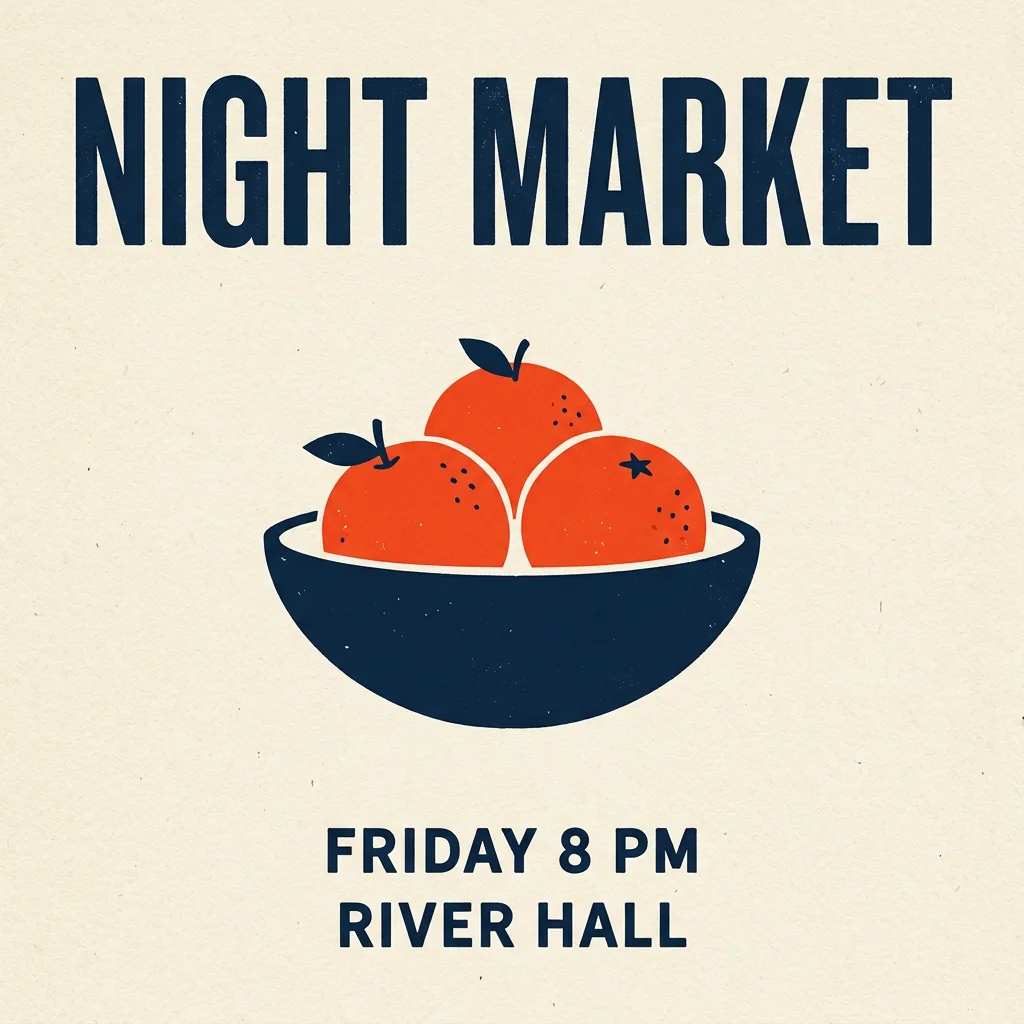
Compare all three phrases character by character. Then count the oranges and inspect the poster at thumbnail size. A readable headline, correctly separated information lines and clear margins each affect whether the graphic is ready to use.
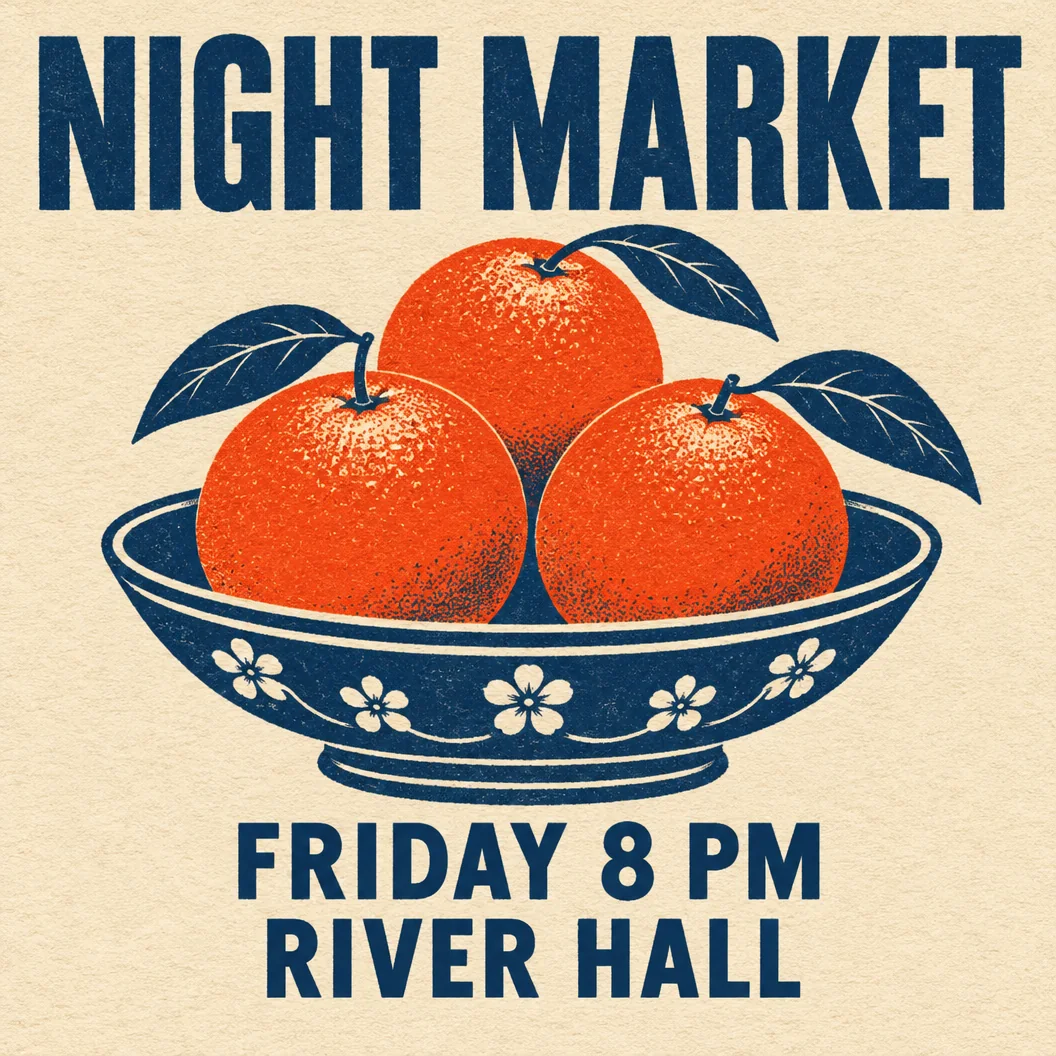
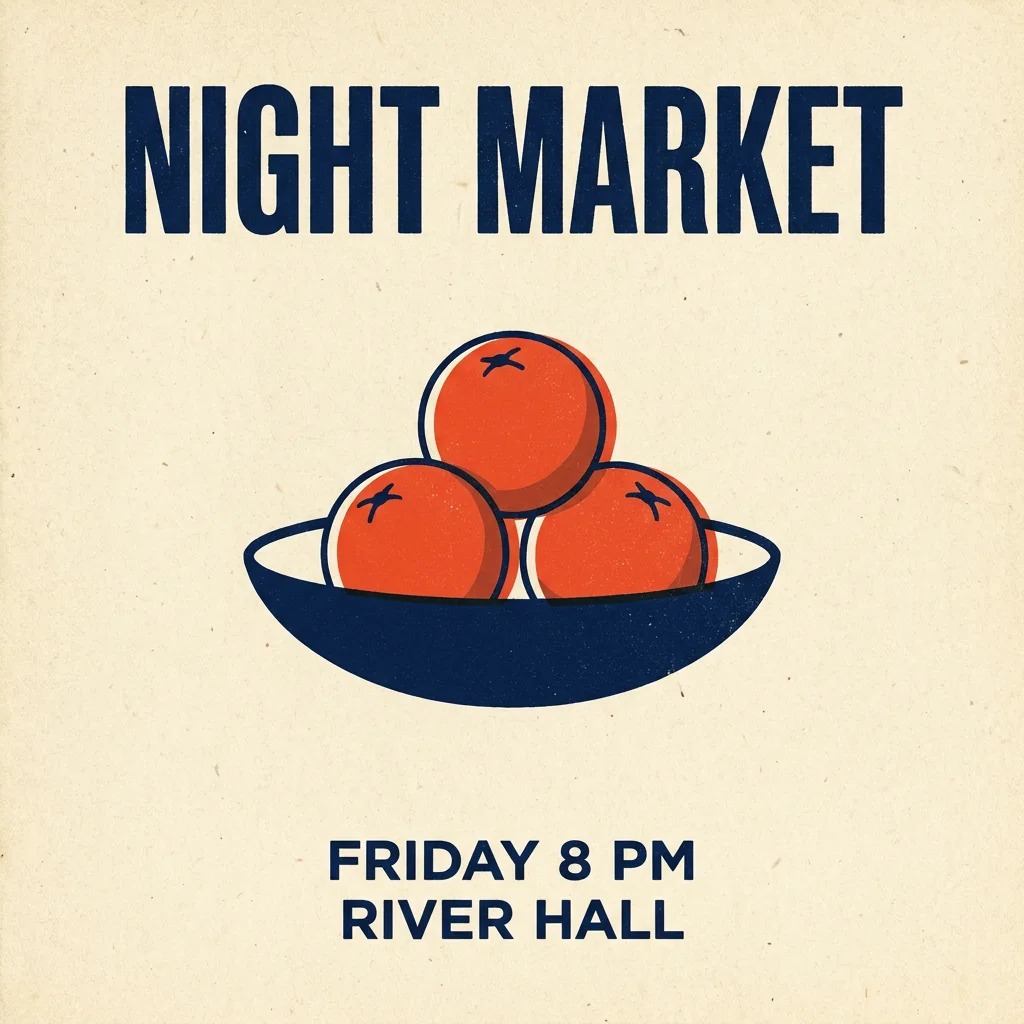
- Seedream 5.5 slot (GPT Image 2.6 example): This GPT Image 2.6 example spells all three requested phrases correctly and places exactly three oranges in a floral navy bowl; Seedream 5.5 result to be added.
- GPT Image 2.6 Sunburst: GPT Image 2.6 Sunburst renders NIGHT MARKET, FRIDAY 8 PM and RIVER HALL correctly, with exactly three oranges in a shallow bowl and a large condensed headline above them.
- Nano Banana 2.1: Nano Banana 2.1 preserves all three phrases and exactly three oranges, leaving generous cream space around a compact central illustration, though its bowl is deeper than the requested shallow bowl.
- Nano Banana Pro: Nano Banana Pro preserves all three phrases and exactly three oranges in a shallow bowl, using navy outlines around the fruit and broad margins between the headline, illustration and event details.
P4 — Complex composition and a video-ready still
Check the courier in the center, bicycle on the left, mailbox on the right and the requested window count. Also inspect the material treatment. A coherent handmade miniature look should carry through the person, building and props.
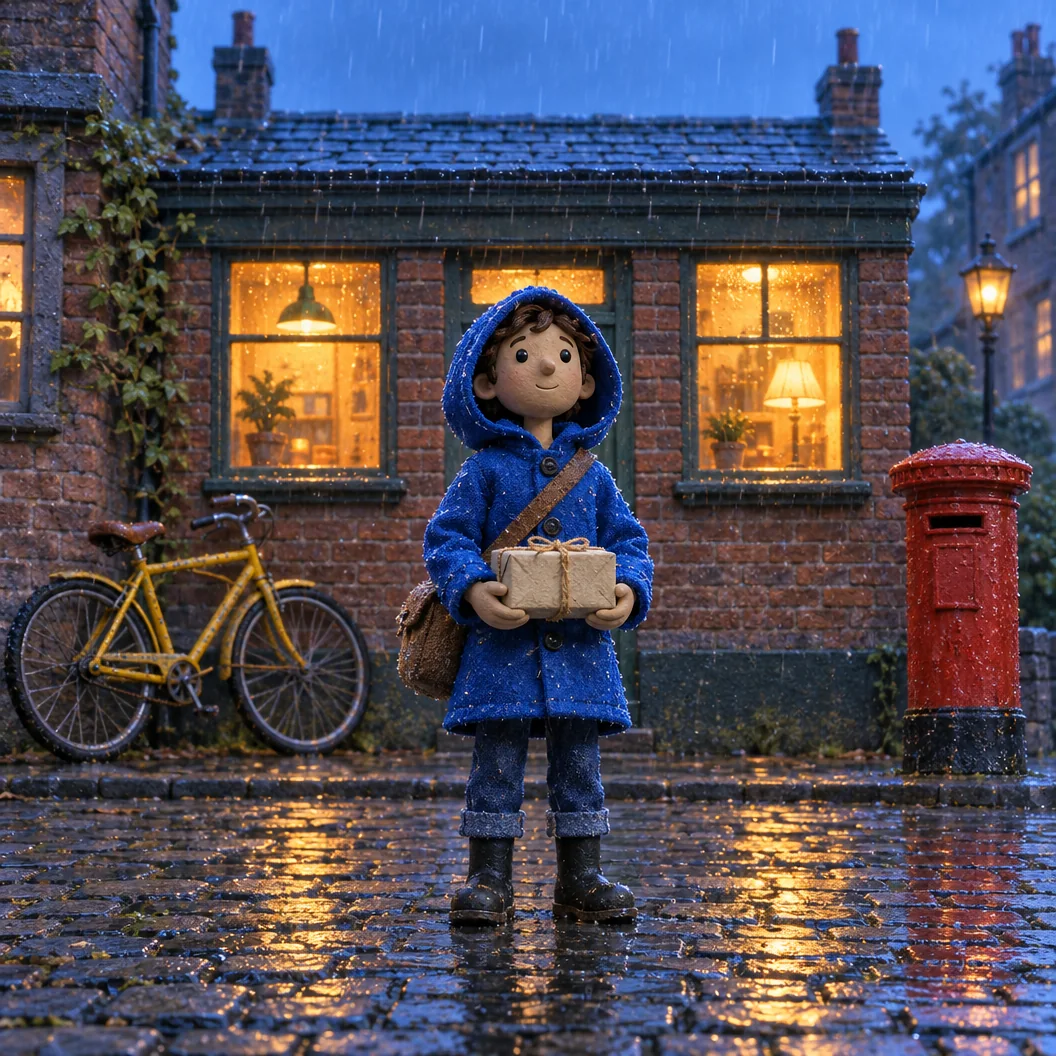
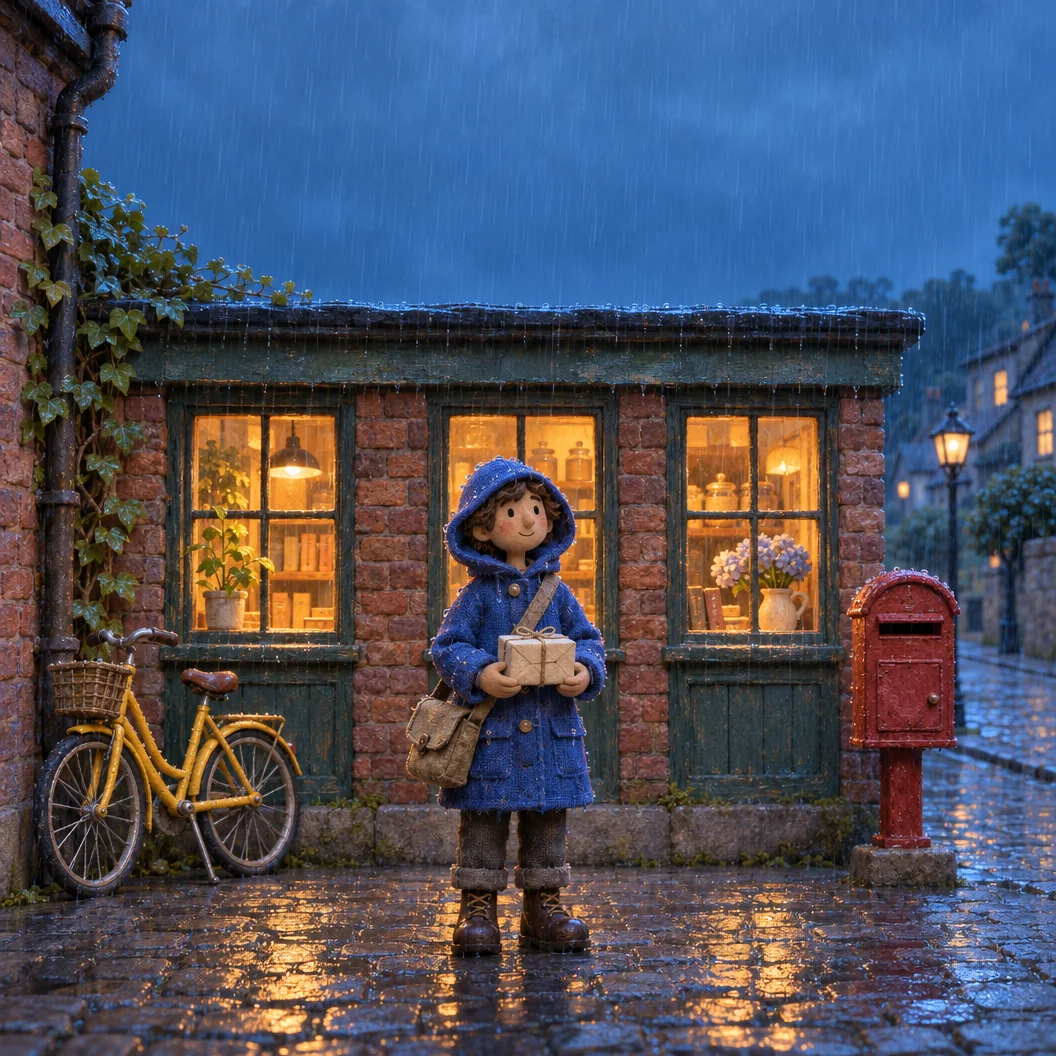
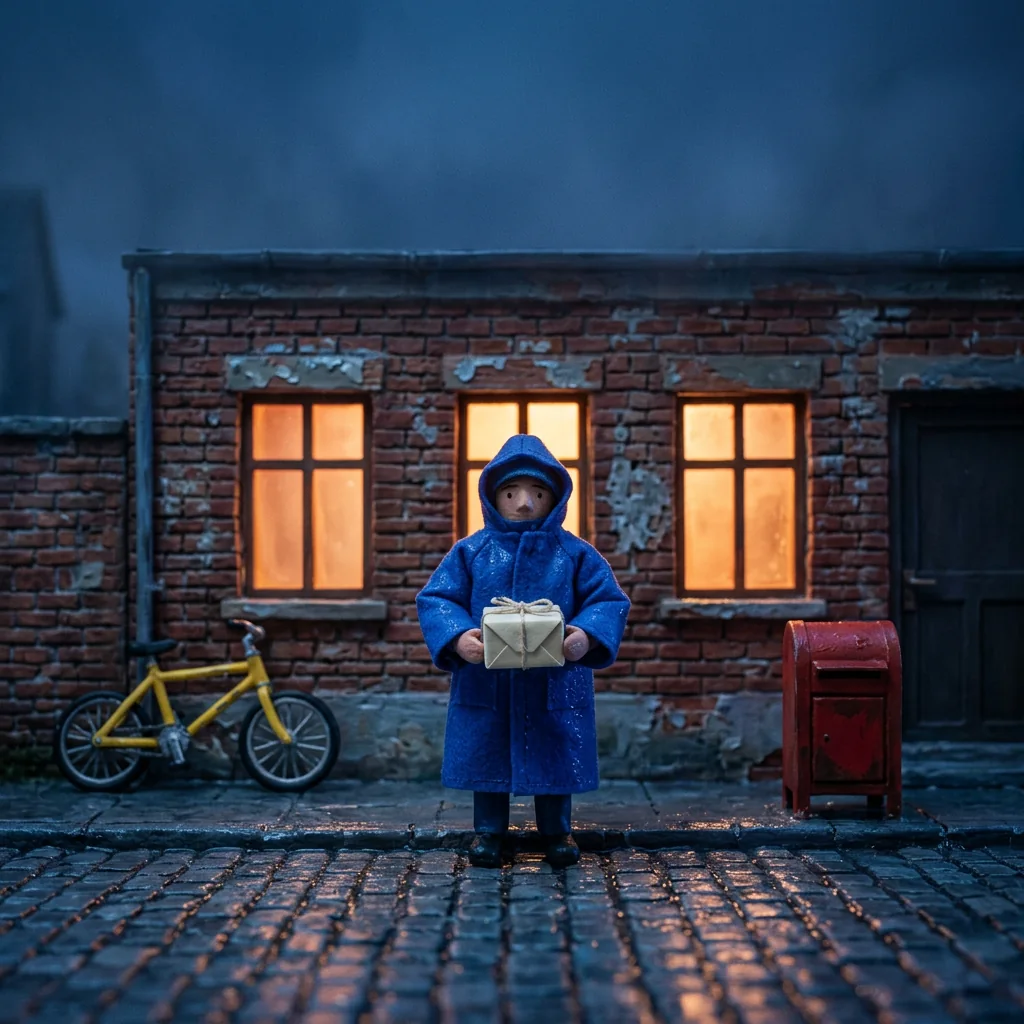
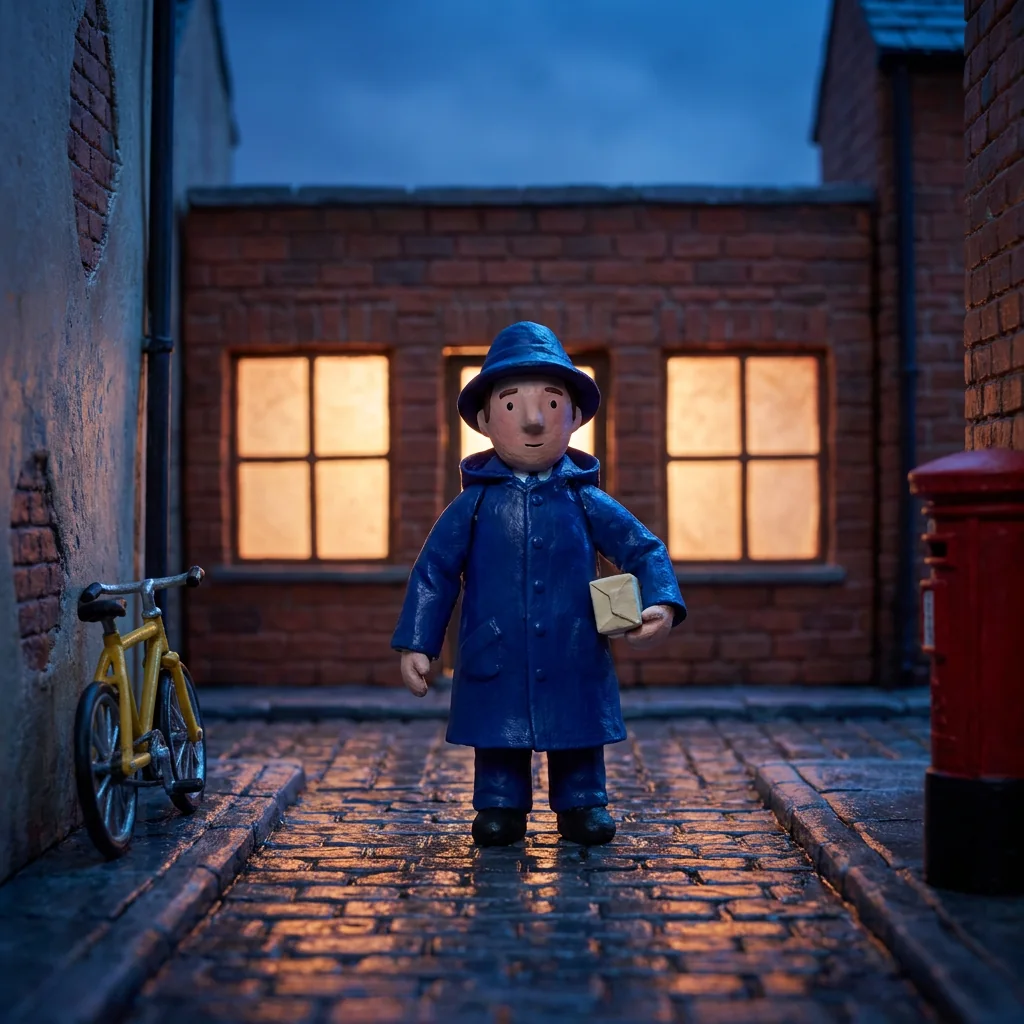
- Seedream 5.5 slot (GPT Image 2.6 example): This GPT Image 2.6 example centers a blue-coated courier holding a cream parcel between a yellow bicycle and red mailbox, with warm window light reflected on cobbles; Seedream 5.5 result to be added.
- GPT Image 2.6 Sunburst: GPT Image 2.6 Sunburst places the courier between the yellow bicycle and red mailbox, with three glazed storefront sections glowing behind the figure and ample blue sky above for a title.
- Nano Banana 2.1: Nano Banana 2.1 shows three warm window openings behind the centered courier, keeps the bicycle left and mailbox right, and carries the blue-orange lighting into reflections on the wet cobbles.
- Nano Banana Pro: Nano Banana Pro retains the centered courier, left bicycle and right mailbox, but the figure obscures the middle illuminated opening and the mailbox is cropped at the right edge, making the window count harder to verify.
For more briefs after this controlled set, use the Seedream 5.5 prompt collection. Keep the original wording when comparing candidates, then revise the brief once you choose a model.
Which of the best AI image generators in 2026 fits your deliverable?
| Your deliverable | Start your shortlist with | What decides the choice |
|---|---|---|
| Realistic portrait or product still | Seedream 5.5, GPT Image 2.6, Nano Banana 2.1 | Visible anatomy, light and material detail in P1–P2 |
| Poster with exact copy | GPT Image 2.6 Sunburst, Nano Banana Pro, Ideogram | P3 spelling and hierarchy, plus the revision workflow |
| Art-directed illustration or concept | Midjourney | Style Reference controls and the fit to your art direction |
| Asset set driven by references | Nano Banana Pro, Leonardo.Ai | A follow-up test using your actual references |
| Image inside a social post or slide | Canva | Layout editing, existing templates and the included AI allowance |
| Vector logo or icon | Recraft | Editable paths, export format and the chosen plan’s rights |
| Images that lead into video | ChatCut with the four comparison models | Generate, select a frame, animate and finish on the timeline |
For realism specifically, shortlist a model using the photographic brief you actually need. Review skin and hands for people, or refraction and contact shadows for products. In P1, GPT shows distinct clay-coated fingers and facial texture, while both Nano Banana images keep the potter looking down at the bowl. In P2, GPT and Nano Banana 2.1 show a low-angle bottle composition, while Nano Banana Pro uses a higher viewpoint. These are differences in individual outputs, rather than an overall realism ranking. Seedream 5.5 result to be added.
Where to use Seedream 5.5 and continue into video
You can use Seedream 5.5 in ChatCut alongside GPT Image 2.6, Nano Banana 2.1 and Nano Banana Pro. ChatCut is available as a web editor, Desktop app and Agent Plugin. Its advantage for this workflow is access to several leading models in one editor, followed by direct use of the generated image in a video project.
- Generate the still. Name the image model, paste the chosen prompt and confirm the available settings and credit estimate. The image is saved in My Assets. For Seedream 5.5, pick the model in the menu and review the available size, ratio, background controls and credit estimate before submitting.
- Build the shot. Place the still on the timeline, or use it as a first frame with Kling 4.0 or Seedance 2.5. Describe the camera movement and subject action. Our image-to-video guide and image-to-video prompts cover that next brief.
- Finish the video. Arrange the shots, add captions, voiceover and music, and export the project. The AI video prompt collection provides more motion briefs.
For costs and trial access, continue with Seedream free access. A native transparent-image capability and a host’s exposed background control should each be checked in the selected workflow. The comparison here uses complete-background scenes throughout.