The first decision an AI voice user has to make in 2026 isn’t which tool to pick. It’s which lane they’re in.
The curated-TTS lane uses pre-trained voice libraries. No specific person’s voice is being replicated; the output is a synthetic voice that the platform owns and the user licenses. Consent paperwork is unnecessary because no individual gave a voice to clone. Disclosure obligations are lighter because the speaker doesn’t exist as a real person whose identity might be confused with the synthetic version.
The cloning lane replicates a specific human voice from samples of that human speaking. Consent documentation is mandatory under ElevenLabs’s 2026 policy (ElevenLabs cloning consent rules). Disclosure becomes a legal obligation under the EU AI Act’s Article 50 transparency requirements, which become enforceable on August 2, 2026. Unauthorized replication runs into the Tennessee ELVIS Act, which criminalizes voice reproduction from samples without permission and has already produced enforcement activity (Magic Hour on AI cloning laws and ethics 2026).
The two lanes use overlapping tools but very different workflows, and conflating them is the most expensive 2026 AI voice mistake. The first lane is a tool choice. The second lane is a legal one.
This article reviews the AI voice category by use case rather than by leaderboard rank. Five categories, two lanes, and an honest look at where each tool fits.
The five voice categories worth separating
Curated TTS produces synthetic voices from pre-trained libraries. The voice doesn’t belong to a specific real person; it’s a designed voice that the platform sells access to. ElevenLabs’s standard library, Inworld’s character voices, Hume AI’s emotional range. Use cases: brand narration, e-learning, audiobook in-character work where the character is fictional, social-video voiceover.
Cloning replicates a specific voice from samples. ElevenLabs ‘s cloning product is the category standard; the 2026 addition of the Iconic Voice Marketplace adds legal licensing of celebrity voices for ads and content (TechBuzz on ElevenLabs Iconic Voice Marketplace). Use cases: replicating an artist’s voice for posthumous use under contract, scaling a real narrator’s voice across language translations, branded audio where a specific founder voice is the asset.
Character voice synthesis is its own category in 2026. Fictional or non-human voices for game NPCs, animated characters, audiobook performances. Inworld leads here because their core product is character AI; ElevenLabs has a character voice library; Hume AI’s TADA (March 2026) claims zero hallucinations across long-form dialogue (AI/ML API on best TTS 2026).
Real-time voice agents need sub-100ms latency to feel natural in live conversation. Cartesia Sonic 3 delivers first-audio response at around 90ms. MiniMax Turbo offers a balance of speed, expressiveness, and cost. The category matured fastest in 2026 because LLM-voice-agent products require real-time response to feel like conversation rather than turn-based audio.
Multilingual narration at scale produces audiobook, e-learning, and training content in 12-to-15-plus languages from one source. ElevenLabs’s Turbo v2.5 leads on cross-language voice consistency. Fish Audio offers budget multilingual cloning. Specific language strength varies: Doubao is the Mandarin and Cantonese specialist; ElevenLabs has broader European coverage; Inworld has stronger character-voice multilingual.
These five categories blur in the marketing copy of every major voice platform. The reader’s decision starts cleaner if the categories stay separate.
The 2026 regulatory inflection (read this before picking a tool)
This section exists because the SERP for “AI voice generator” tends to treat the legal context as a footnote, and in 2026 that’s a mistake.
Three regulatory developments have shifted the consent picture for cloning. The EU AI Act’s Article 50 makes disclosure of synthetic media a legal obligation, enforceable from August 2, 2026. Companies that hide AI audio behind fine print after that date face enforcement risk under the Act’s transparency provisions. The Tennessee ELVIS Act criminalizes unauthorized voice reproduction from samples and has been the basis of enforcement activity through 2025-2026. ElevenLabs’s own consent policy now requires explicit documented permission for any voice the user clones, and silent cloning without disclosure is treated as a terms-of-service violation in addition to whatever legal exposure follows.
The practical implication is straightforward. Users in the curated-TTS lane don’t carry these obligations because no real person’s voice is being used. Users in the cloning lane carry all of them. The “I’ll just clone my friend’s voice for this project” workflow that was a soft ethical question in 2023 is now a legal one in 2026, and the documentation overhead is real.
This isn’t an argument against cloning. ElevenLabs’s Iconic Voice Marketplace exists precisely because legal celebrity voice licensing is now a regulated path with the right consent infrastructure. The argument is against confusing the two lanes. Curated TTS is fast and lightweight; cloning is powerful and regulated. Choose the lane first, then the tool.
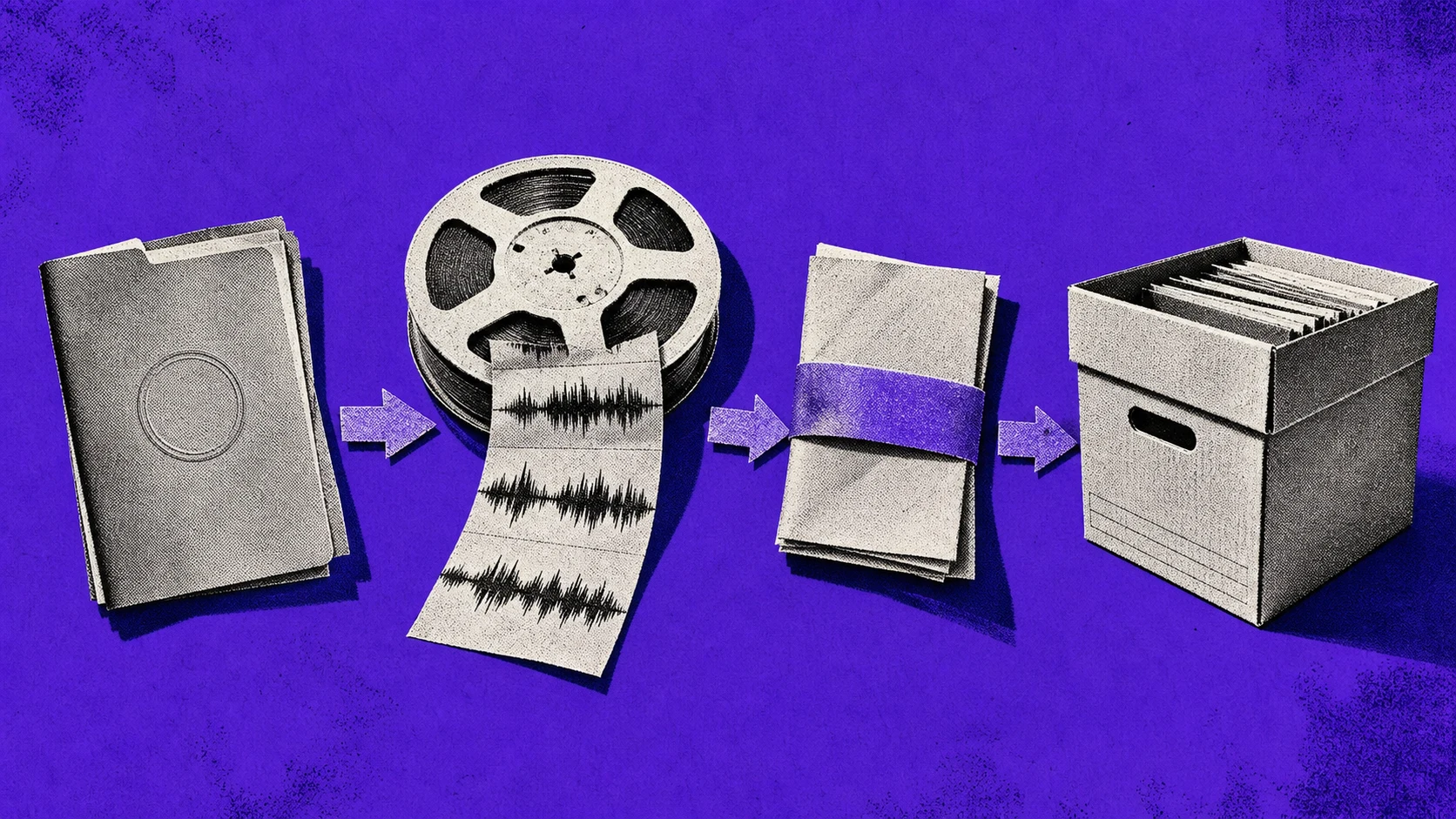
The leaders in each category
Curated TTS has matured into a competitive category in 2026. ElevenLabs Turbo v2.5 leads on quality and language breadth; the platform’s standard voice library is the practical default for most brand-narration use cases. Inworld TTS-1.5 Max currently sits at the top of the Artificial Analysis Speech Arena with an ELO around 1236, which makes it the technical leader on a moving leaderboard. Hume AI’s TADA, released in March 2026, claims zero hallucinations across 1,000-plus test samples (a problem that has plagued other TTS models where outputs skip, repeat, or invent words). Fish Audio occupies the budget-conscious slot with good voice quality and multilingual coverage.
Cloning remains ElevenLabs’s stronghold, with the consent infrastructure built into the workflow. The 2026 Iconic Voice Marketplace addition extends the platform’s reach to legally licensed celebrity voices for ads and content. Other platforms offer cloning features (Fish Audio, MiniMax, smaller competitors) but ElevenLabs’s combination of voice quality, consent documentation, and breadth of legal licensing makes it the practical default.
Character voice synthesis sees Inworld leading because their company is built around character AI. ElevenLabs has a wide character voice library. Hume AI’s emotional range and TADA’s reliability on long-form dialogue make it strong for narrative content. The decision between these typically depends on the specific character archetype: gaming and interactive media gravitate to Inworld; narrative and audiobook to ElevenLabs or Hume.
Real-time voice agents are a small, fast-moving category. Cartesia Sonic 3 at around 90ms time-to-first-audio is the 2026 latency leader. MiniMax Turbo offers a strong speed-expressiveness-cost balance. The technical floor here is sub-100ms; tools above that threshold feel like text-to-speech with delay rather than conversation.
Multilingual narration’s category leader depends on language mix. ElevenLabs Turbo v2.5 leads on cross-language voice consistency (the same voice across 12-plus languages without quality collapse). For Chinese specifically (Mandarin and Cantonese), Doubao via specialist platforms outperforms most generalist tools. For budget multilingual cloning, Fish Audio is the reasonable choice.
A picker grid: use case to category to leader
| Use case | Category | Practical leader |
|---|---|---|
| Brand explainer narration | Curated TTS | ElevenLabs Turbo v2.5 |
| E-learning, multilingual | Multilingual narration | ElevenLabs Turbo v2.5 |
| Game NPC dialogue | Character voice | Inworld |
| Podcast intro | Curated TTS | ElevenLabs or Hume |
| Real-time customer-service agent | Real-time agents | Cartesia Sonic 3 |
| Audiobook narration | Multilingual or character | ElevenLabs or Hume |
| Social-video voiceover | Curated TTS | ElevenLabs (broad), Fish Audio (budget) |
| Clone of your own voice | Cloning | ElevenLabs (with consent docs) |
| Clone of a celebrity voice | Cloning | ElevenLabs Iconic Voice Marketplace |
The right tool depends on which row the use case lands in, not on which tool ranks first on a 2026 leaderboard.
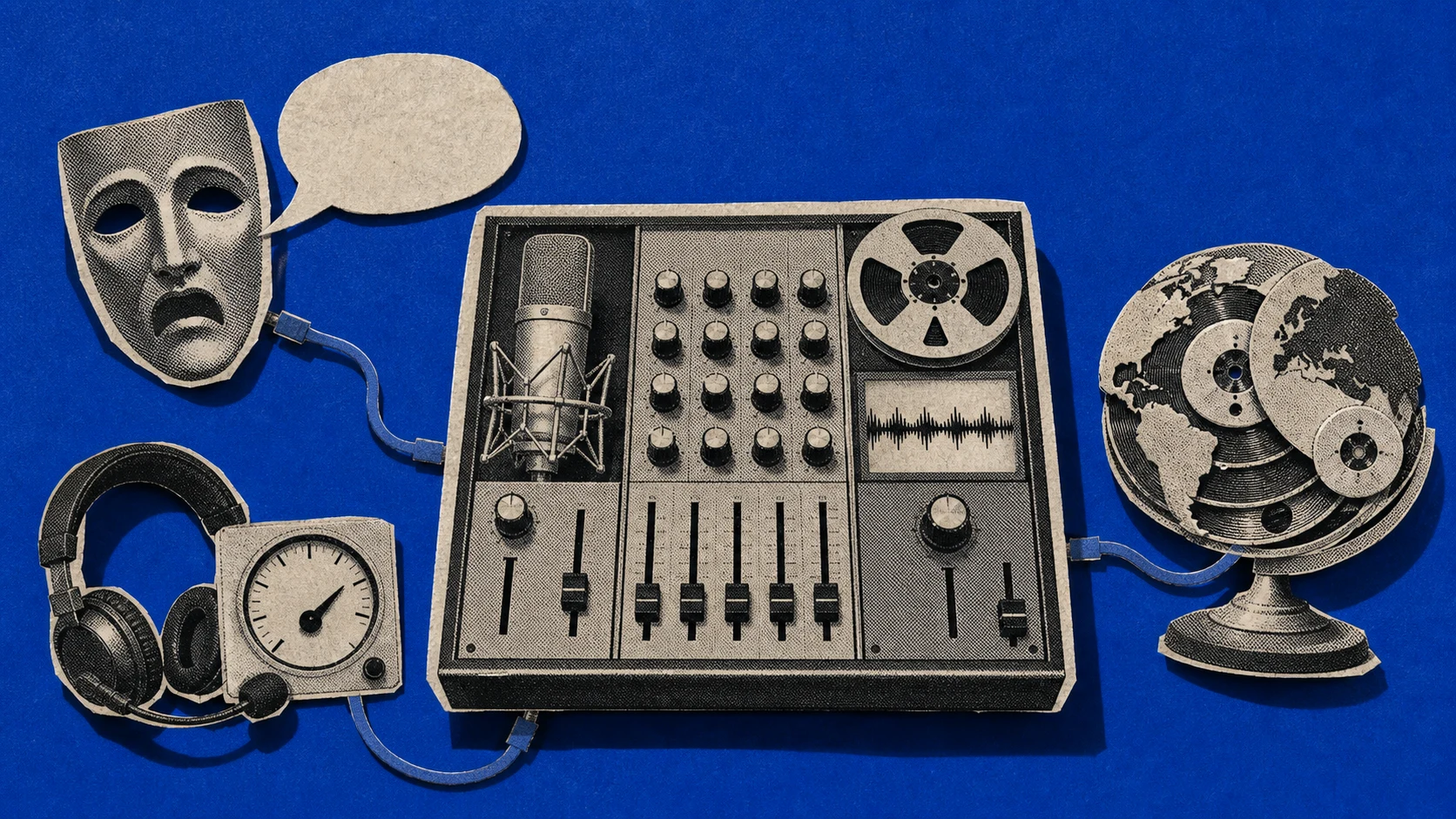
Where ChatCut fits (and where it deliberately doesn’t)
ChatCut’s AI voiceover lives in the curated-TTS lane. The product ships 32 pre-trained voices, sourced through ElevenLabs’s library (broad language coverage from ElevenLabs’s own count) plus Doubao for Mandarin and Cantonese specifically. These are curated voices: no individual is being cloned, and the user doesn’t need consent paperwork to use them.
ChatCut does not do cloning. The product roadmap stance is that cloning is not currently in scope; the team focuses on curated voices for now. This is a deliberate choice rather than an oversight. The curated lane avoids the EU AI Act and Tennessee ELVIS Act consent and disclosure overhead that cloning requires. For users whose use case fits the curated-TTS lane (most brand narration, e-learning, social-video voiceover, character work where the character is selected from a library), the lighter workflow is the better fit. For users whose use case requires cloning a specific person’s voice (a founder’s voice, an artist’s voice for posthumous use, a celebrity voice for a campaign), ElevenLabs ‘s cloning product with the full consent documentation is the right tool.
The honest framing is two doors. If your use case is curated narrator, explainer, or character voice from a pre-trained library, ChatCut’s AI voiceover is built for it: prompt-driven voice selection inside the editor, integrated with text-based editing for transcript-aligned voiceover work, integrated with AI captions for caption generation against the synthetic voice track. You describe the edit. ChatCut executes it.
If your use case is cloning a specific voice, use a dedicated cloning tool with full consent documentation and disclosure language. ChatCut isn’t that tool, isn’t trying to be, and won’t pretend to be in marketing copy. The principle is that the curated lane is the safer and simpler workflow when it fits; the bottom line is that cloning isn’t on the ChatCut feature list today.
For broader use cases that pair AI voiceover with related work, talking-head editing and education and teaching animations are the natural extensions where curated voices land cleanly.
Five questions worth a direct answer
Is cloning legal in 2026? With consent documentation, disclosure language, and compliance with the relevant jurisdictional rules (EU AI Act in the EU, Tennessee ELVIS Act in Tennessee, similar laws emerging in other states and countries), yes. Without those, cloning of a specific person without their permission carries real legal exposure that wasn’t a meaningful risk in 2024.
What’s the safest tool for a no-consent-needed workflow? Curated TTS from any of the major platforms. Pre-trained voice libraries don’t reproduce specific real people, which means consent paperwork doesn’t apply.
Real-time voice agents: what’s the practical latency floor? Sub-100ms. Cartesia Sonic 3 at roughly 90ms is the 2026 reference. Tools above 100ms feel like turn-based audio rather than conversation.
Multilingual: which tool keeps the same voice across 15 languages? ElevenLabs Turbo v2.5 leads on cross-language consistency for broad-language work. For Chinese specifically, Doubao through specialist platforms. For budget multilingual cloning, Fish Audio.
Worst mistake teams make with AI voice in 2026? Cloning a voice without documented consent and disclosure. The legal exposure that wasn’t real in 2024 is documented and enforceable in 2026, and the curated-TTS alternative covers most use cases without the overhead.
Working in the curated-TTS lane for video voiceover? Try ChatCut Free. 32 pre-trained voices, transcript-aligned voiceover workflow, 1080p output, Chrome-only.